
Beyond the Koholā: Crafting a Balanced Hawaiian Itinerary
In my salt-crusted field journal, notes about the koholā (humpback whales) take up hundreds of pages. Yet every winter, when passengers step off my boat deck after witnessing a majestic breach that hits the water like the heartbeat of the Pacific, they ask me what else they should explore across the islands. Hawaii is an entire living ecosystem where volcanic ridges rise straight out of the moana (ocean). Balancing your marine wildlife excursions with terrestrial adventures gives you a deeper connection to the land and water.
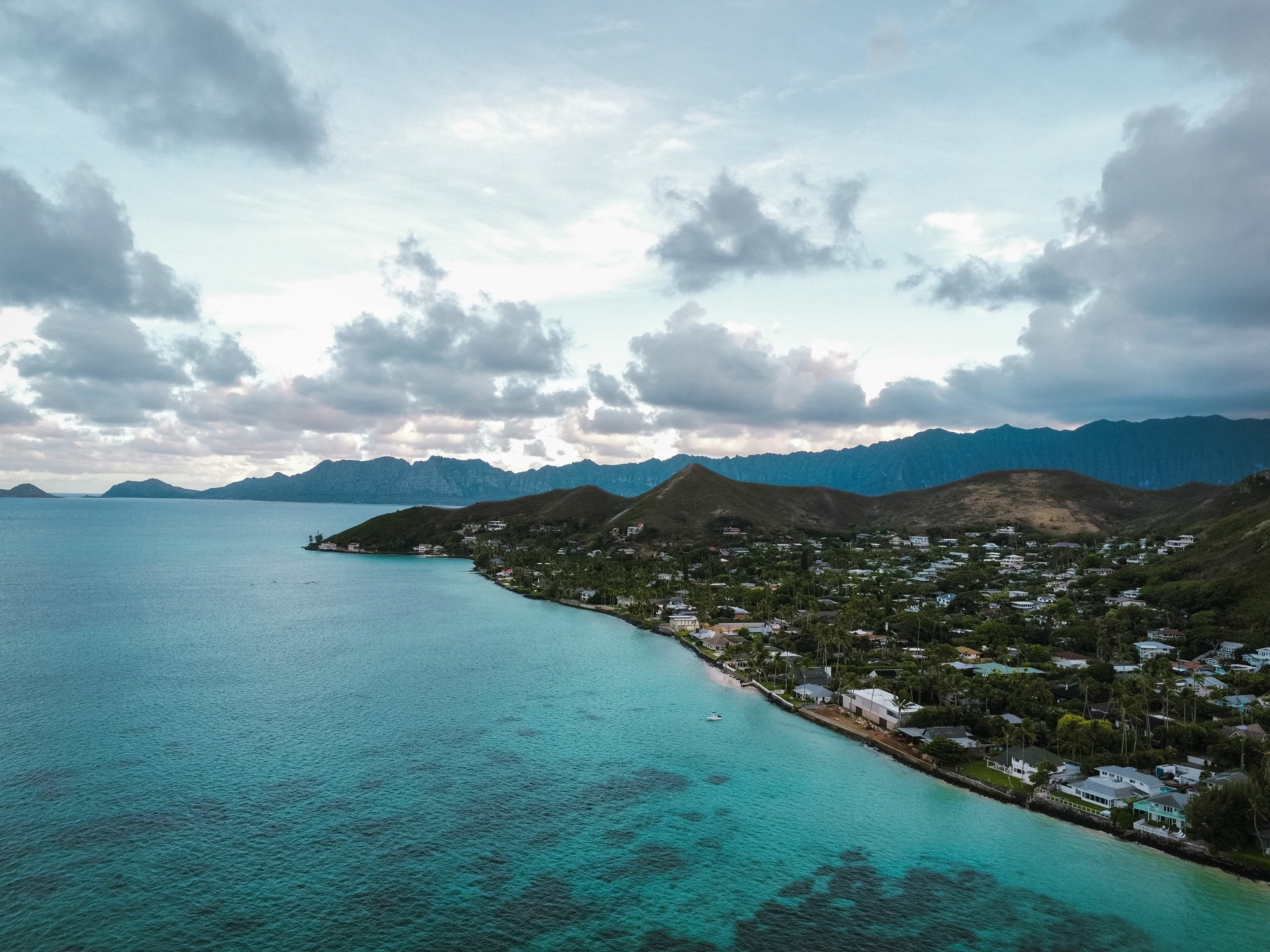
When you plan your days around a winter migration schedule, mornings are often spent scanning the horizon for spouts. Late afternoons and non-sailing days offer the perfect window to explore ancient volcanic craters, swim in freshwater valley pools, or witness world-class winter surf. If you are structuring your travel dates, our guide to the best time and weather for whale watching explains how ocean conditions shift throughout the day, helping you line up morning boat excursions with afternoon land tours.
Marine Sanctuaries and Winter Wave Spectacles
World-Class Snorkeling and Protected Marine Reserves
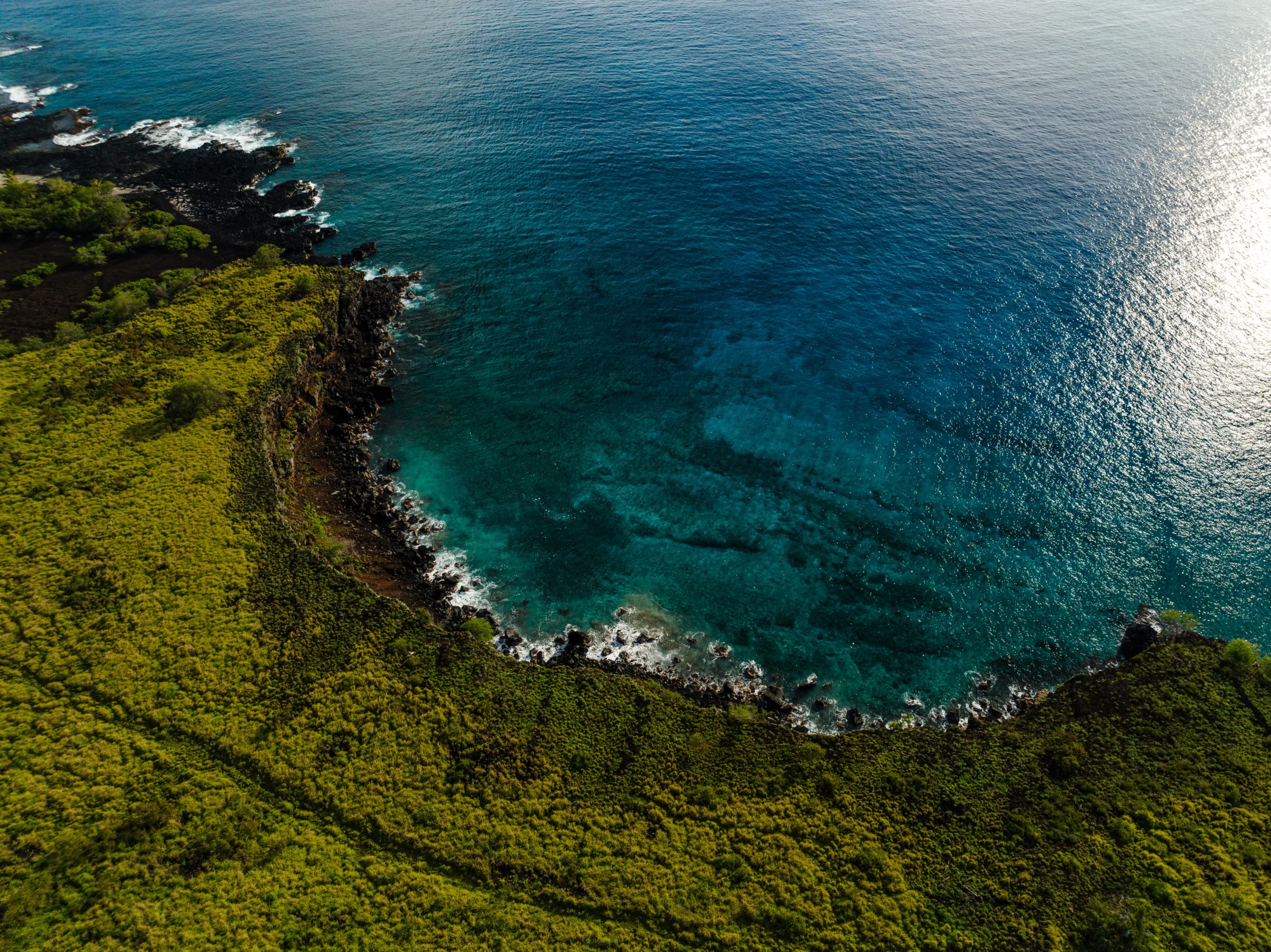
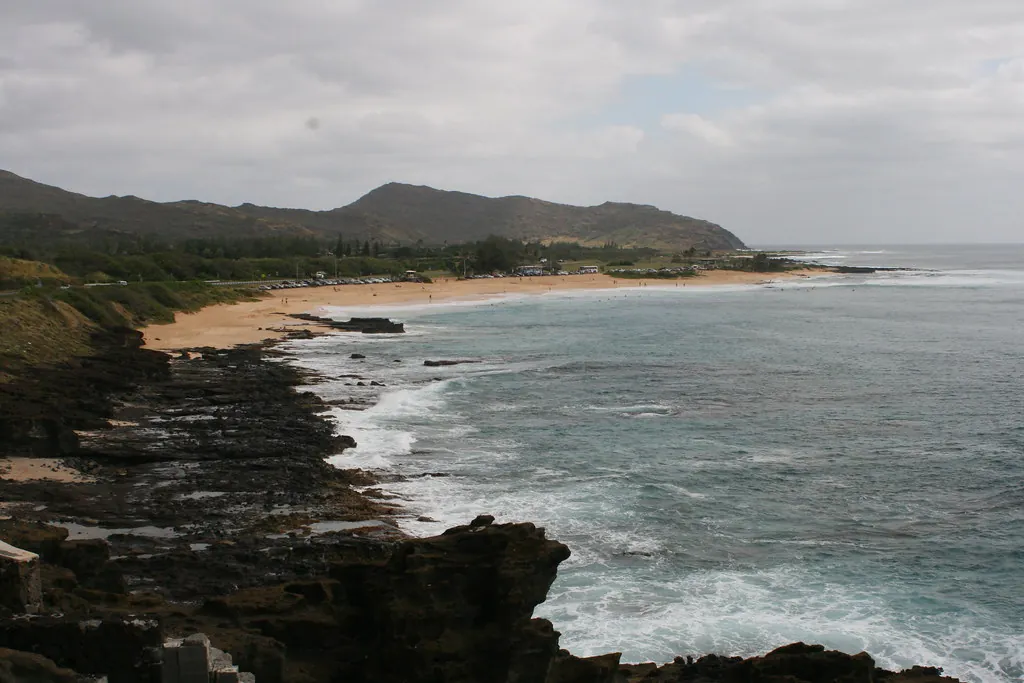
While watching whales from above the waterline is awe-inspiring, slipping beneath the surface reveals Hawaii’s teeming reef ecosystems. Hanauma Bay Nature Preserve on Oahu (located at 7455 Kalanianaʻole Hwy, Honolulu) sits inside a flooded volcanic cone [1]. The entrance fee is $25 per visitor, with a $3.00 parking lot fee, and optional gear rentals for $25. Reservations are strictly required in advance to protect the ecosystem. On Maui, Molokini Crater provides crystal-clear visibility for snorkelers, while Kahaluʻu Beach Park on the Big Island offers calm waters packed with sea turtles and reef fish.
Chasing Giants: Winter Surf Culture on Oahu’s North Shore
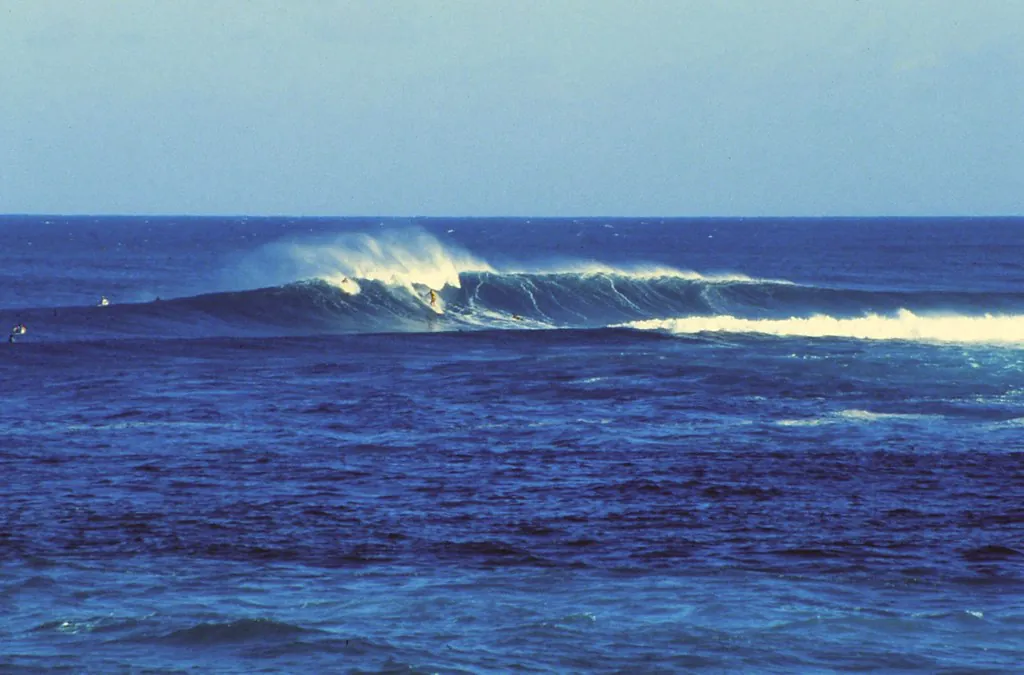
The same winter storms that drive northern swells toward Hawaii bring massive ocean energy to Oahu’s North Shore. Between November and February, legendary surf breaks like Waimea Bay, Sunset Beach, and the Banzai Pipeline generate waves reaching heights of up to 30 feet (9 meters). Watching professional surfers drop into these liquid mountains is a visceral experience that matches the sheer scale of seeing a humpback breach. Sitting on the sand at Waimea Bay with local fruit while the ocean roars is something every traveler should take time for.
Volcanic Landscapes and Rainforest Expeditions
Volcanic Wonders and Crater Hikes
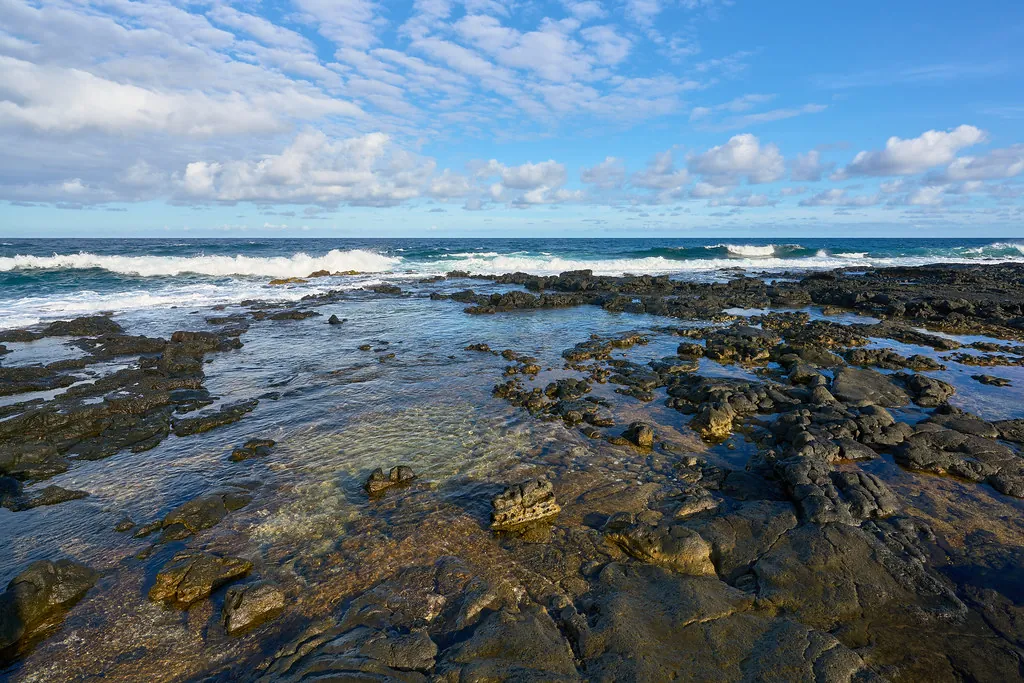
Hawaii’s islands exist because of raw volcanic power. At Hawaiʻi Volcanoes National Park on the Big Island, you can trek through the solid molten floor of Kīlauea Iki Crater, drive along Chain of Craters Road, and walk through the underground Thurston Lava Tube. On Maui, rising to the summit of Haleakalā at 10,023 feet puts you high above the cloud line to watch sunrise or sunset over cinder cones. Over on the Big Island’s southern coast, Punaluʻu Black Sand Beach features jet-black basalt sand created by lava meeting ocean currents, where green sea turtles love to stretch out.
Lush Rainforest Expeditions and Waterfall Trails
Inland valleys harbor dramatic freshwater falls surrounded by dense tropical foliage. Driving the famous Road to Hana on Maui takes you across narrow bridges to hidden waterfalls and roadside fruit stands. On Oahu, Waimea Valley offers a paved botanical trail through historical gardens leading to a natural pool where visitors can swim beneath a waterfall under lifeguard supervision. Nearby Manoa Falls presents a classic rainforest hike right behind Honolulu, perfect for morning explorations before an evening sunset cruise.
Cultural Landmarks, Sunset Sails, and Stargazing
Cultural Immersion and Historical Landmarks
Connecting with Hawaiian culture provides essential context for understanding the islanders’ spiritual relationship with the sea. The Pearl Harbor National Memorial in Honolulu honors historical naval events through exhibits and the USS Arizona Memorial. For cultural history, visiting ancient heiau (temple structures) or exploring the Polynesian Cultural Center gives insight into voyaging traditions that brought early settlers across the Pacific using stellar navigation.
Sunset Catamaran Sails and High-Altitude Stargazing
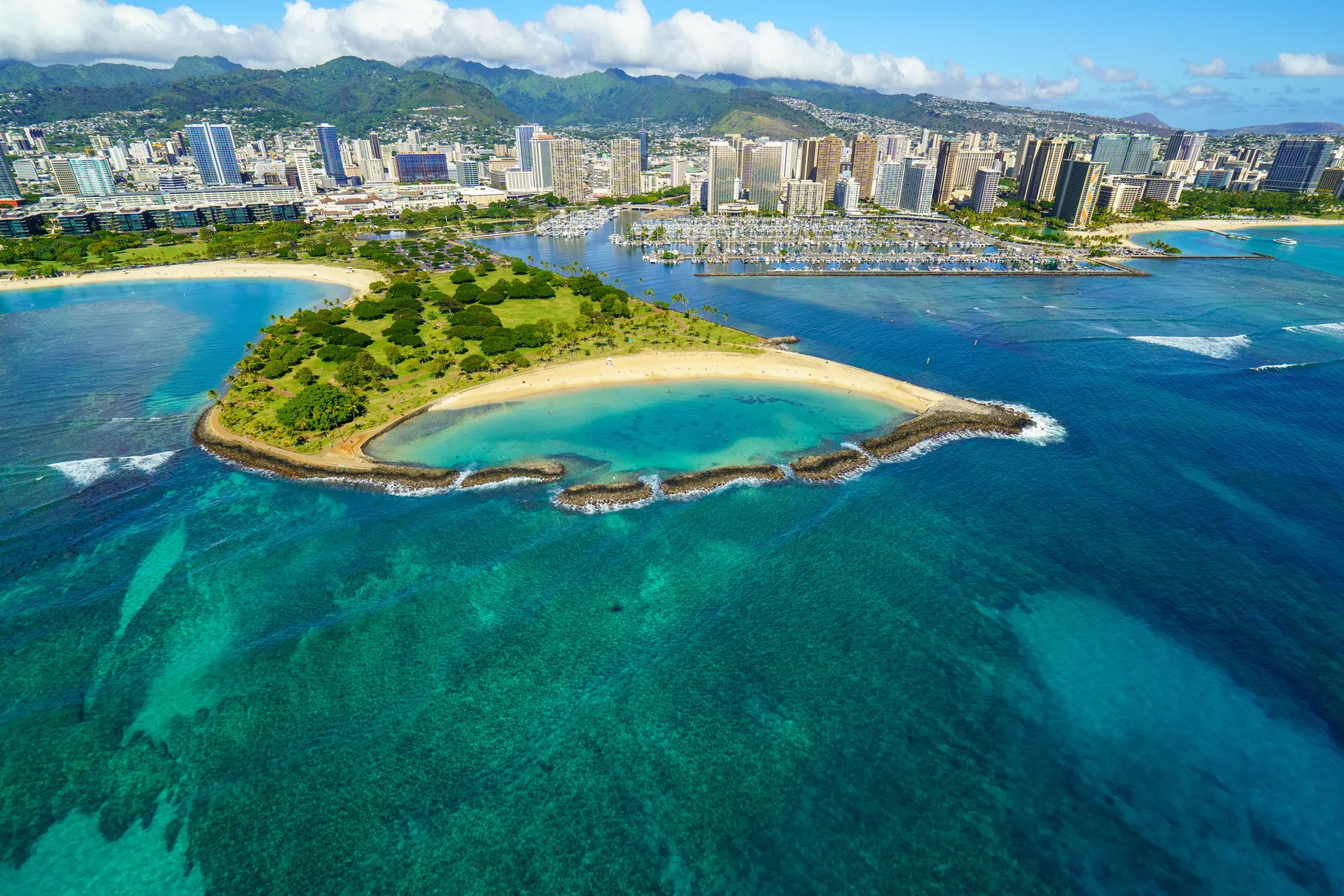
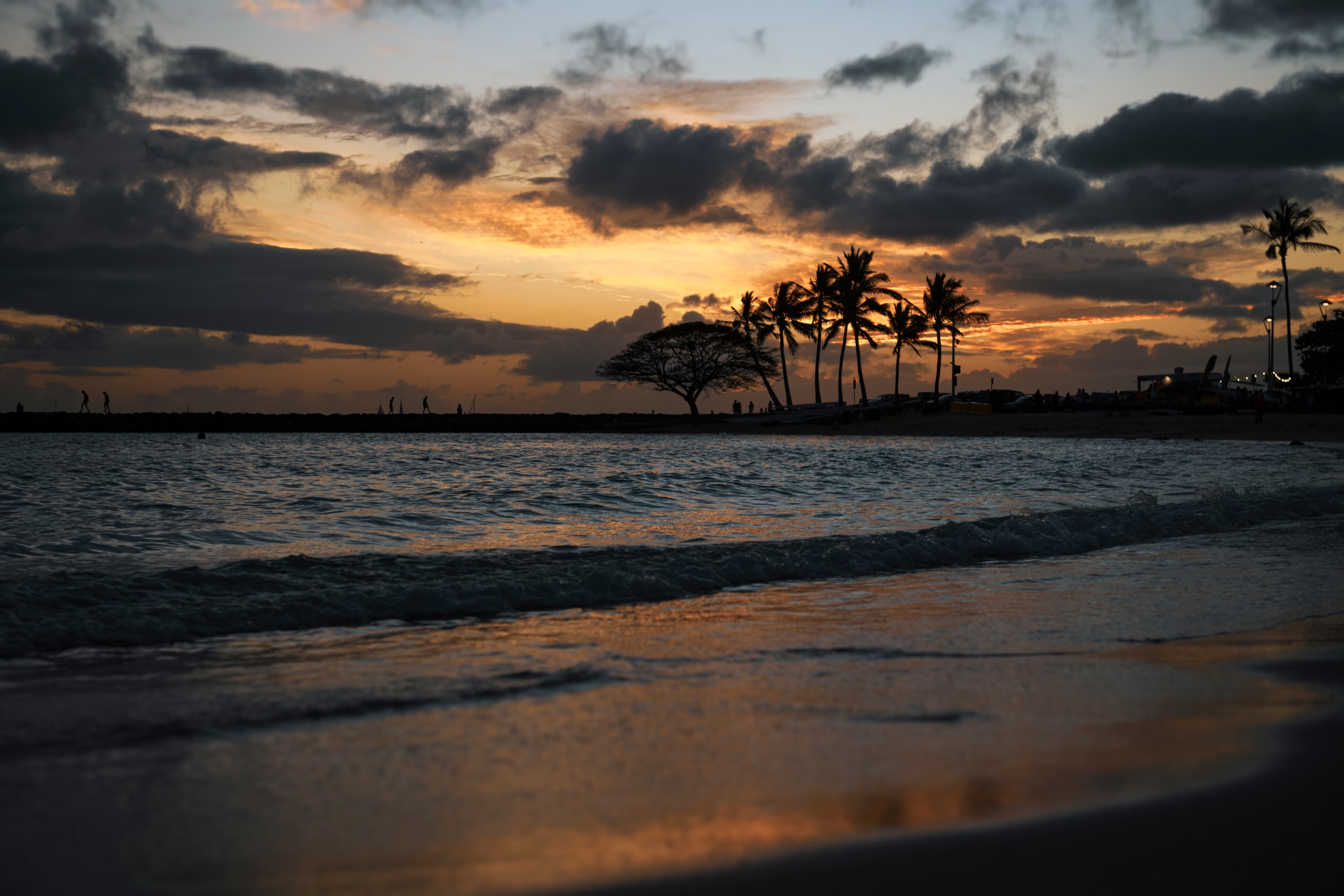
Evening sails departing from Waikiki or West Maui combine golden hour coastal views with chances to spot breach behavior as daylight fades. Check out our guided tours page to explore top-rated sunset cruises and boat options across each island. For a different evening spectacle, head to Mauna Kea Summit on the Big Island. Sitting nearly 14,000 feet above sea level with clear skies approximately 325 nights per year, it is one of teh world’s premier locations for stargazing above the clouds.
Agricultural Traditions and Island Planning
Hawaii’s rich volcanic soil nurtures agricultural traditions that are worth tasting firsthand. Sampling fresh coffee along the Kona Coast on the Big Island or visiting Upcountry Maui farms offers a window into local farm-to-table culture. Ending your day at a traditional Hawaiian luau during the winter Makahiki season pairs local delicacies like kalua pork with storytelling through traditional hula. To decide which island fits your overall travel style, consult our island destinations regional guide to compare marine waters and island bases.
“The land and ocean are not separate entities in Hawaii, brah—they feed into each other. When you spend the morning watching humpback mothers teach their calves to breach and the afternoon walking on raw lava rock, you truly understand the spirit of these islands.”
— Kealani Kala, Marine Biologist & Former Captain
| Island Base | Must-Do Non-Whale Activity | Best Winter Complement |
|---|---|---|
| Oahu | Hanauma Bay & Pearl Harbor Memorial | Watching 30ft swells at Waimea Bay on the North Shore |
| Maui | Haleakalā Summit & Road to Hana | Sunset catamaran sail along the West Maui coastline |
| Big Island | Hawaiʻi Volcanoes National Park & Mauna Kea | Manta ray night snorkel or Kona coffee tasting tour |
| Kauai | Nāpali Coast views & Waimea Canyon | Lush botanical valley walks and beach exploration |
Whether you choose to hike volcanic rims, taste fresh Kona coffee, or sit on the North Shore watching giant waves, combining these adventures with your ocean tours ensures a deeply memorable trip. Packing properly makes every excursion smoother, so be sure to check our guide on what to wear and pack for Hawaii ocean excursions before headin out.