
Whale Watching in Hawaii: The Master Sanctuary Guide
Step aboard with local marine biologists as over 10,000 North Pacific humpback whales return home to the warm, protected waters of the Hawaiian Archipelago.
Explore Expeditions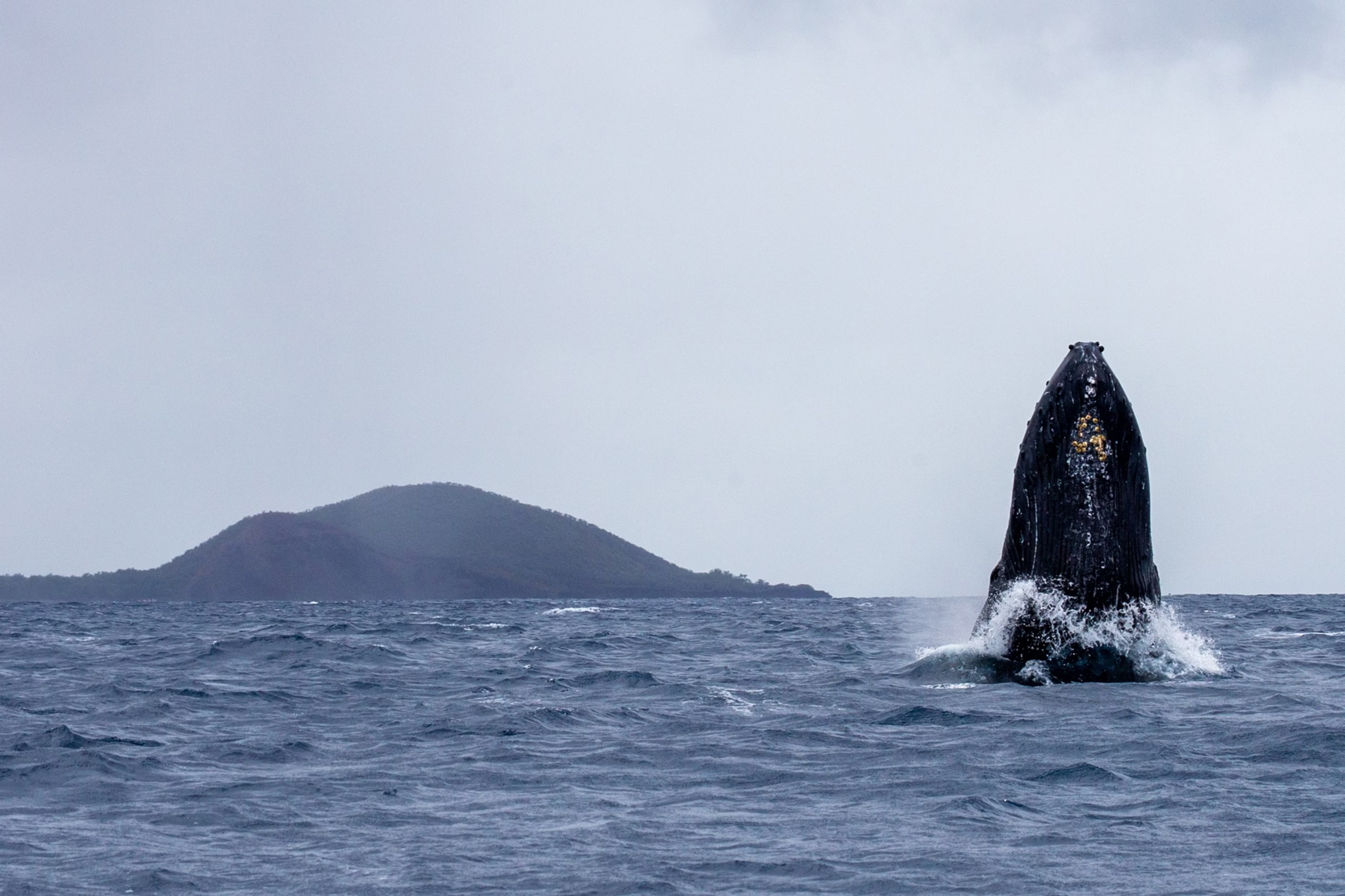
Interactive Tour Grid: Select Your Island Ocean Cruise
Selecting the right boat is the most crucial decision of your itinerary, brah. Double-deck catamarans offer exceptional stability, shade, restrooms, and elevated viewing decks—ideal for families and photog enthusiasts. High-speed Zodiac rafts put you right down at water level for an adventurous, splash-filled ride. Sailing ships offer silent, peaceful propulsion when wind conditions allow. Compare our top hand-picked tours below across Maui, Oahu, and the Big Island:
Whale Watching Tour - Big Island, Hawaii
2-Hour Oahu Whale Watch from Ala Wai Harbor, Waikiki
Whale Watching from Ma'alaea Harbor
Maui Whale Watching Tour Aboard the Quicksilver From Maalaea
2 Hour Waikiki Whale Watching Cruise from Oahu
Guaranteed Whale-Watching Tour by Raft from Kihei, Maui
For an expanded comparison of vessel types, private charters, and direct booking options, visit our dedicated hub for Guided Tours & Lessons.
Aloha, ocean lovers. I am Kealani Kala, a marine biologist and former charter captain who has logged over fifteen winter seasons navigating the deep channels between Maui, Molokaʻi, and Lānaʻi. Every year when November turns to December, a quiet shift settles across our *moana* (ocean). The air softens, the swell rolls in from the north, and suddenly—a mist plume explodes on the horizon. The *koholā* (humpback whales) have returned home.
Watching a 45-ton humpback whale breach completely clear of the surface is an unforgetable encounter that stays with you forever. It is not merely an eco-tourist attraction; it is the ancient heartbeat of the Pacific Ocean renewing itself in our sheltered tropical bays. Whether you are aiming to embark on whale watching tours in maui hawaii, watch mothers and calves gently surface off the Waikīkī skyline, or listen to complex underwater whale songs off the Kohala coast, this complete portal gives you the real insider knowledge required to plan a soulful, ethical ocean adventure.
“February 14, ʻAuʻau Channel — Sea state light glass, 78°F water temp. A mother and calf resting just 150 yards off our bow while a competition pod of eight males thundered past half a mile out. The sound of their blows echoed across the calm channel like canon fire. Even after thousands of hours on this water, my pulse still races every single time.”
Why Hawaii is the World’s Premier Wildlife Sanctuary
There are marine destinations around the globe where you can spot cetaceans, but nowhere else matches the concentrated brilliance of the Hawaiian Archipelago. The secret lies in our undersea topography. Millions of years of volcanic activity created shallow underwater shelves between islands like Maui, Molokaʻi, Lānaʻi, and Kahoʻolawe (known collectively as the Maui Nui Basin). These calm, warm waters—rarely exceeding 600 feet in depth—create an ideal nursery safe from open-ocean predators like deep-water killer whales.
In recognition of this delicate ecosystem, Congress established the Hawaiian Islands Humpback Whale National Marine Sanctuary in 1992. Spanning over 1,370 square miles of pristine coastal ocean, the sanctuary provides legal defense, ongoing research, and strict environmental oversight. When you book a trip here, you are entering a world-class conservation zone dedicated to preserving these giant marine mammals for generations to come.
The Anatomy of Migration: From Alaskan Glaciers to Tropical Bays
During the northern summer, North Pacific humpbacks spend their months gorging on rich swarms of krill and small schooling fish in the icy, nutrient-dense ocean off Alaska and the Bering Sea. But as arctic winter approaches and ice closes in, their food source drops off. In late autumn, these incredible creatures begin a journey of over 3,000 miles to Hawaii—one of the longest animal migration patternss documented on planet Earth.
Curious about how they make this epic journey without feeding a single time while in tropical waters? Read our complete breakdown in Understanding Humpback Whale Migration Patterns in Hawaii, where we track their journey, energy expenditure, and social behavior from autumn through spring.
Decoding the Official Whale Season: December Through April
A common question visitors ask me on the dock is: “When is the absolute best time to whale watch in hawaii?” While early arrival tail-enders pop up as early as October, the official, regulated Hawaiian whale season spans from mid-December through mid-April. Within this window, ocean activity changes dramatically month by month:
| Month | Migration Stage | Ocean Activity Level | What You Will See |
|---|---|---|---|
| December | Early Arrivals & Vanguard Males | Moderate (Building) | High-energy leaps, competitive surface displays, solitary scouts establishing territory. |
| January | Peak Population Inflow | Very High | Aggressive male competition pods, surface breaches, tail slaps, and courtship displays. |
| February | Absolute Peak Season | Maximum Activity | Dense pod concentration, newly born calves learning to breathe, breach, and tail-slap. |
| March | Nursery & High Socializing | High | Playful newborn calves near surface, mothers resting, late courting behavior. |
| April | Northward Departure | Moderate (Tapering) | Mother-calf pairs lingering in shallow channels before embarking back to Alaska. |
To dive deeper into tide charts, sea conditions, morning versus afternoon breezes, and avoiding crowds, explore our detailed guide: Best Time & Weather for Whale Watching.
Specialized Ocean Experiences & Activity Clusters
Whale watching in Hawaii is far from a one-size-fits-all excursion. Depending on your personal travel rhythm, you can craft an ocean itinerary that blends acoustics, high-speed excitement, or late afternoon sunsets.
Hydrophone Sound Expeditions
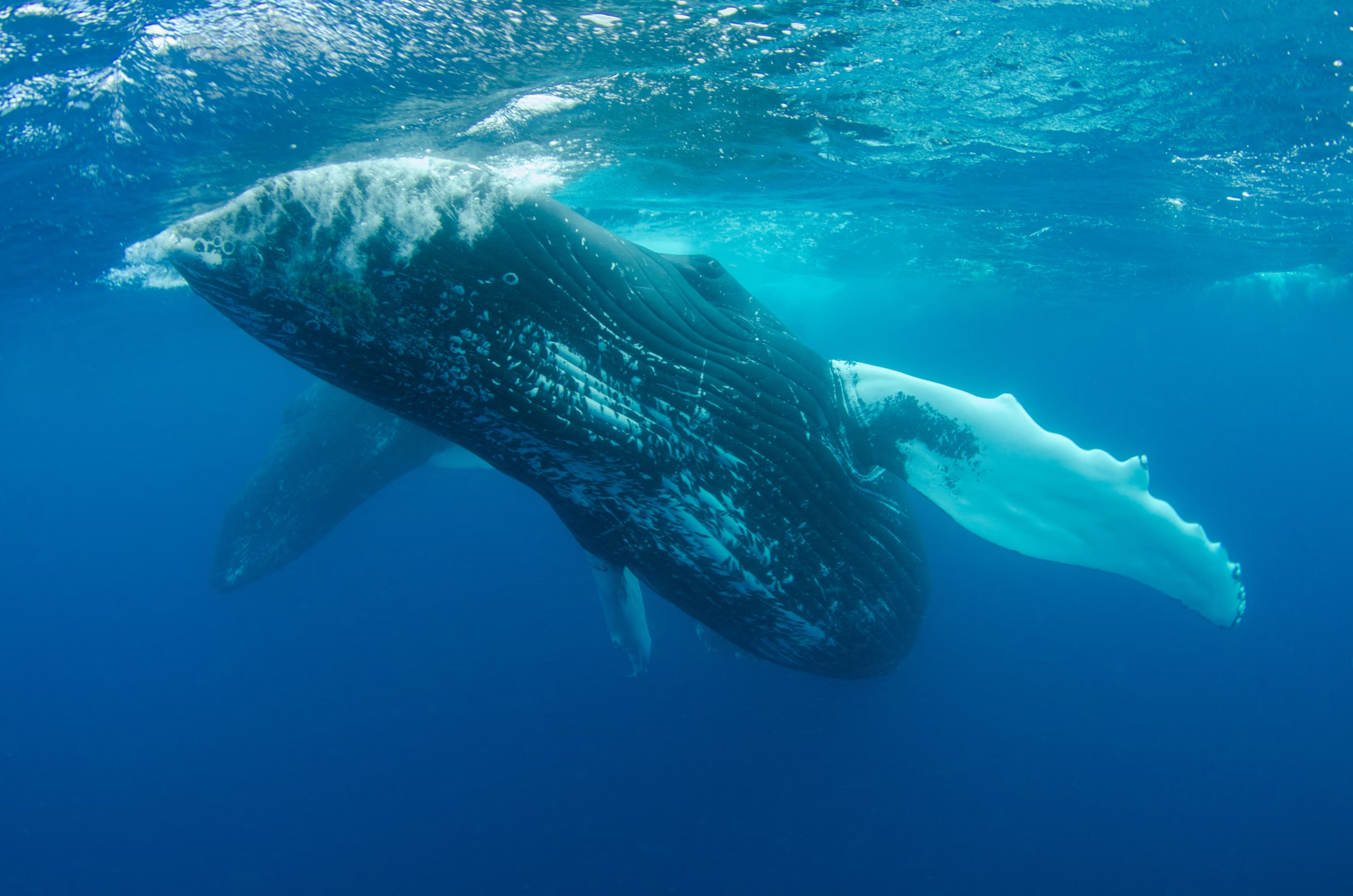
Step aboard specialized vessels equipped with hydrophones (underwater microphones) to listen to complex live whale songs echoed straight into onboard speakers.
Explore Sound Tours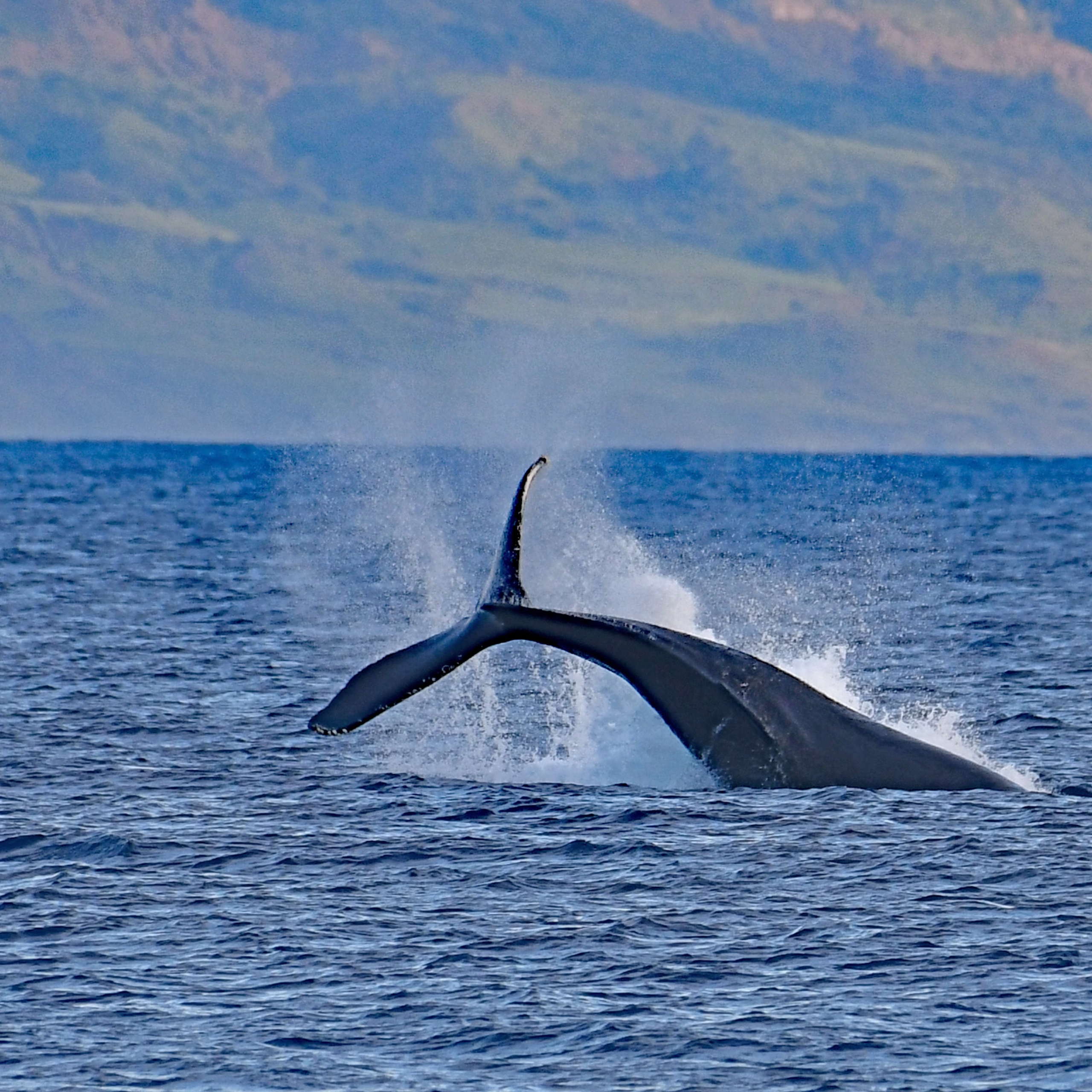
Zodiac Raft Sea Safaris
Experience low-profile, fast-paced rigid inflatable boat tours departing from Kihei and Lahaina. Get right down at eye-level with the Pacific swell.
View Raft Tours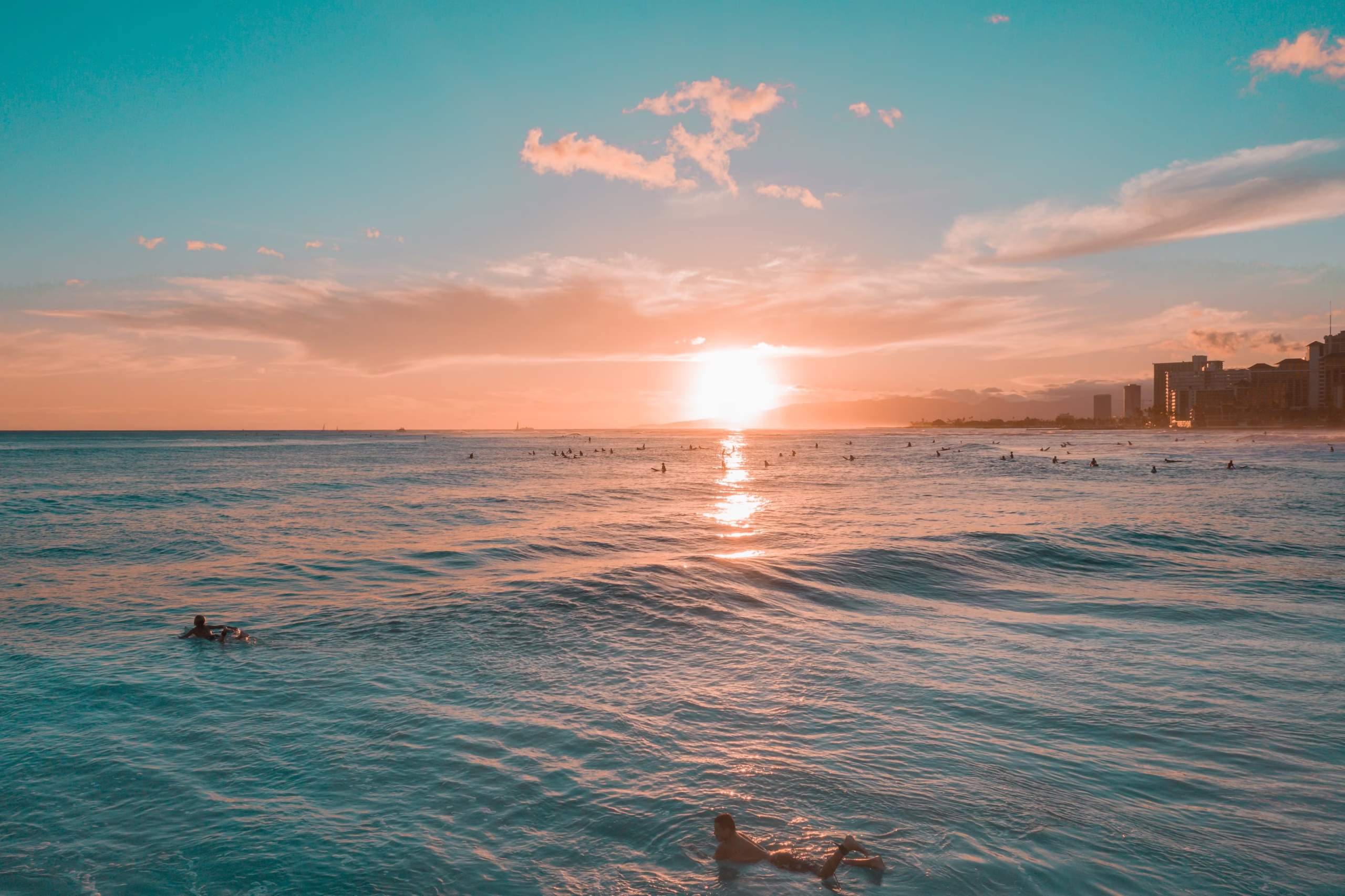
Sunset Sails & Eco-Snorkels
Combine morning whale viewing with world-class coral reef snorkeling, or pair late afternoon whale tracking with open-bar tropical sunset cruises.
See Combo AdventuresRegional Destinations & Island Hotspots
Every Hawaiian island offers a unique marine topography and perspective on the winter migration. Understanding where you are staying will help you select the most convenient harbor and maximize your time on the water. Read our full breakdown on Island Destinations & Regional Guide, or explore the key regions below:
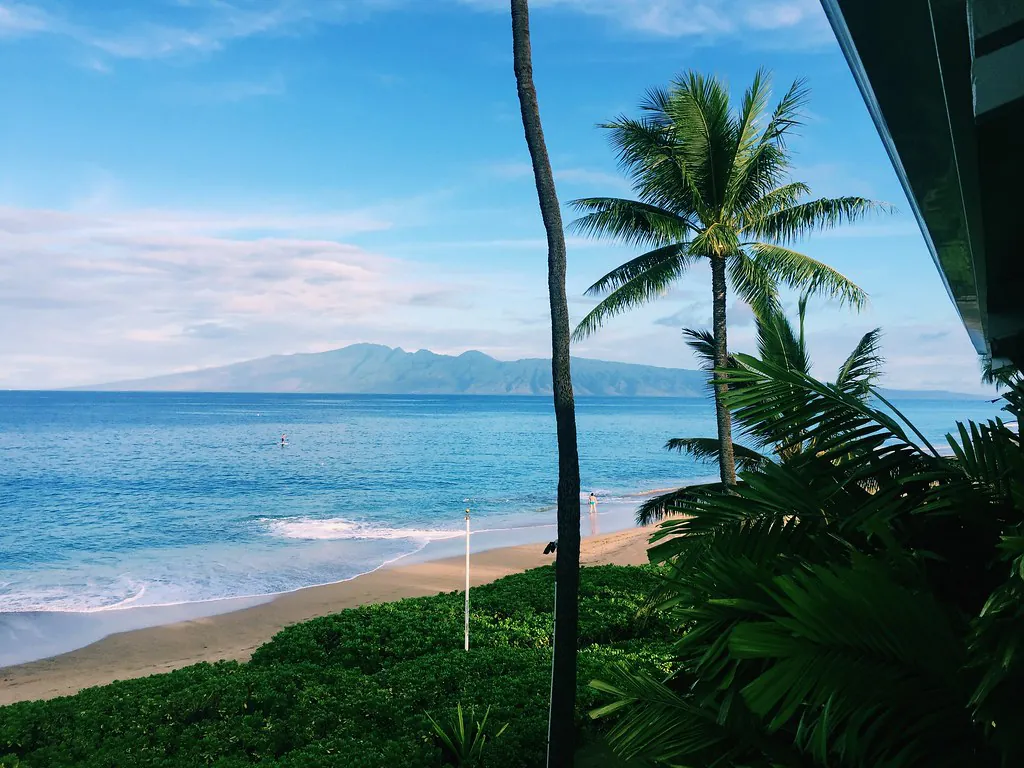
Maui Nui Basin & ʻAuʻau Channel
The undisputed whale capital of the world. Shallow, wind-protected channel waters host roughly 75% of Hawaii’s entire winter humpback population.
Read Guide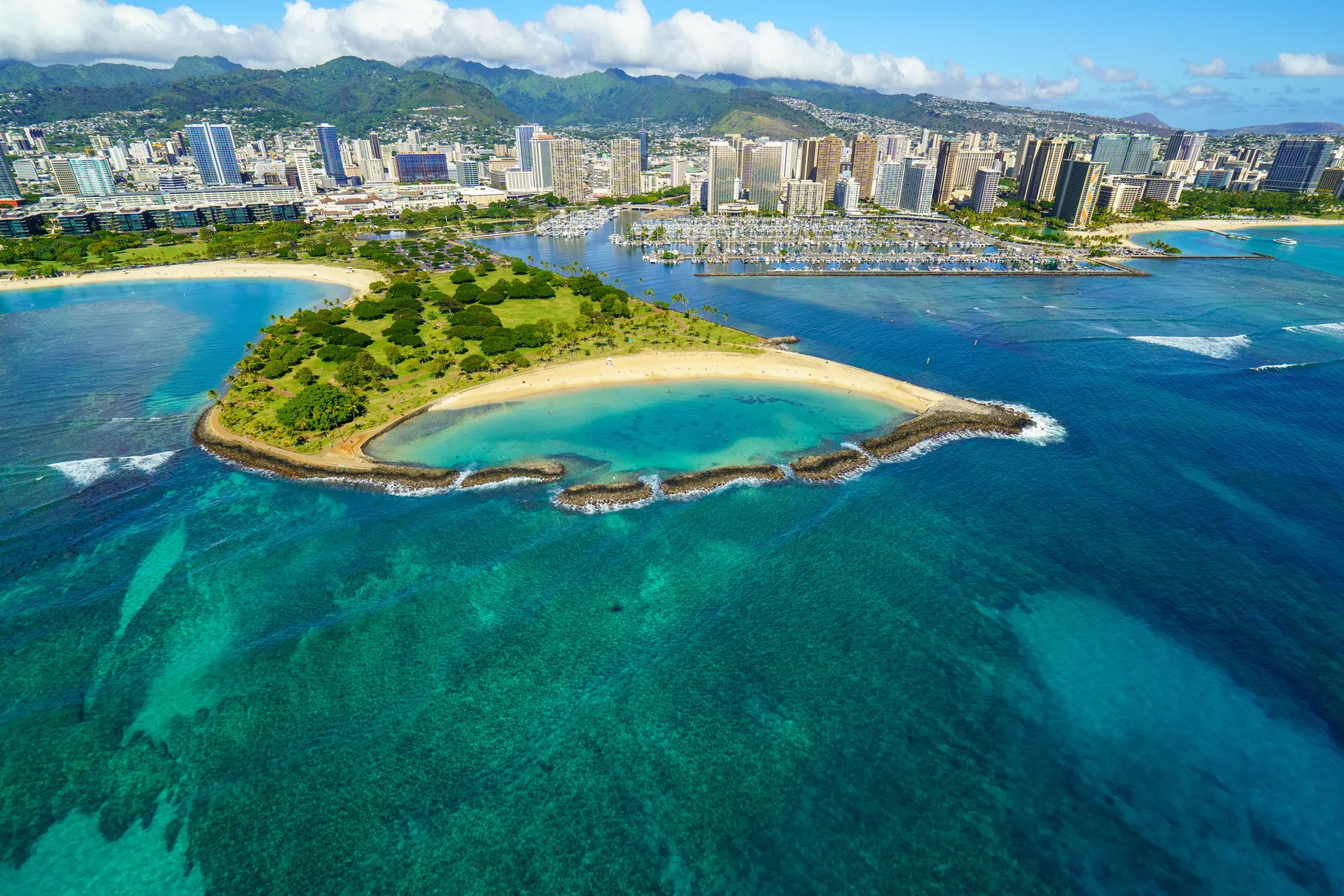
South Oahu & Waikīkī Coastline
Departing directly from Kewalo Basin and Ala Wai Harbor. See massive breaches framed against Diamond Head crater and Honolulu skyscrapers.
Read Guide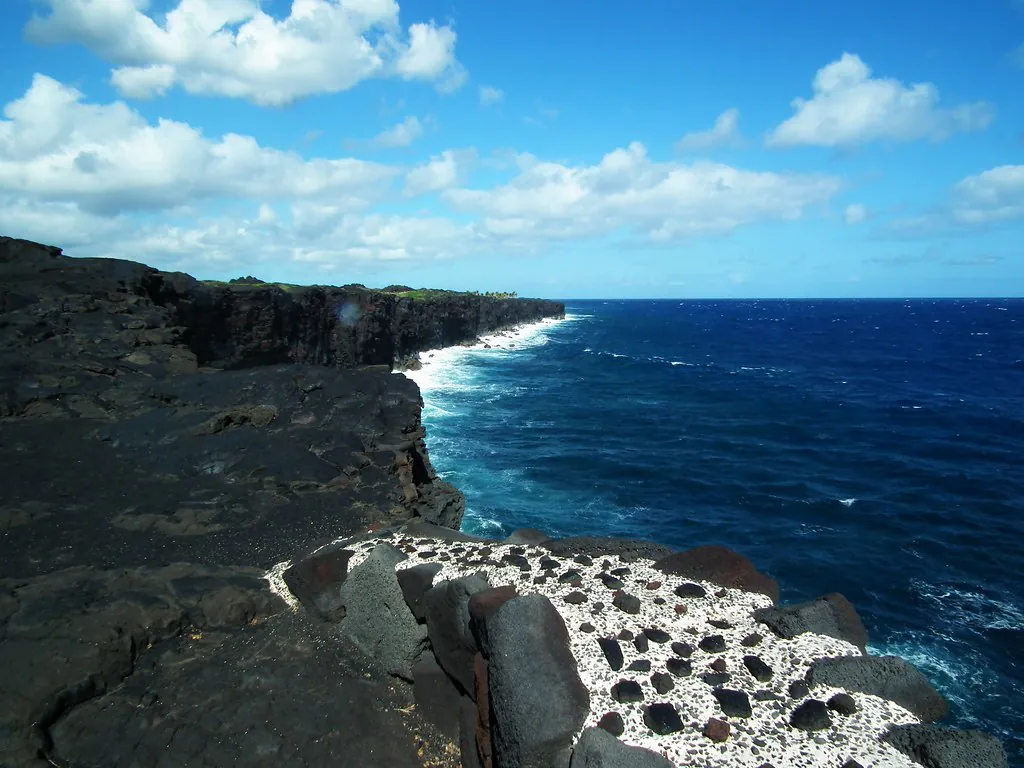
Kona & Kohala Coastlines
Crystal-clear blue ocean dropping off into steep volcanic depths. Famed for incredible underwater visibility and calm, sheltered lee shores.
Read Guide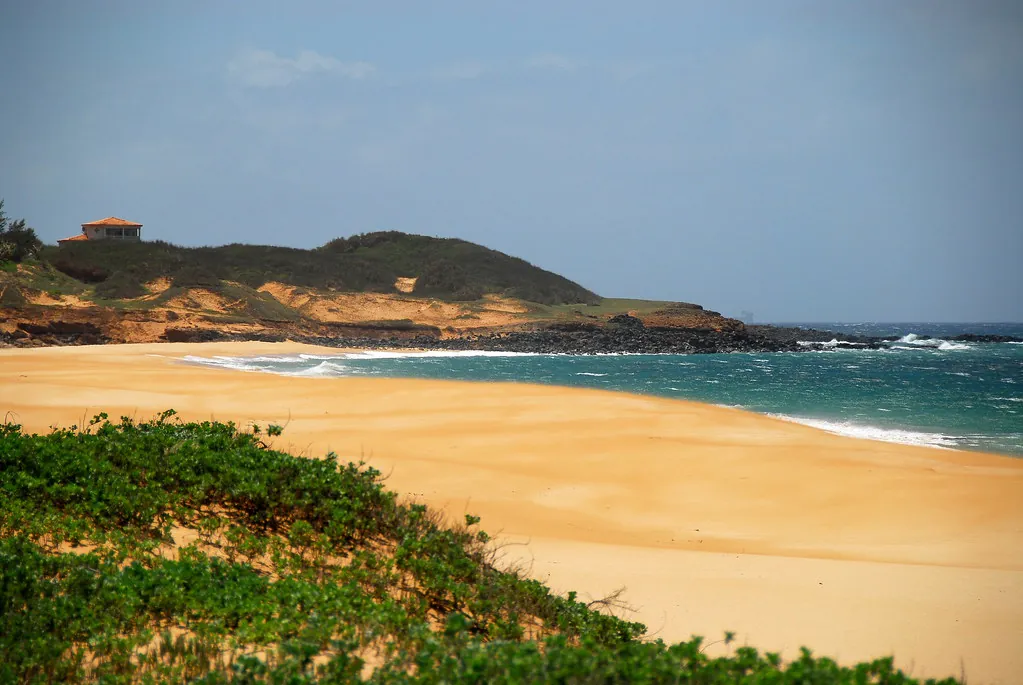
Papawai Scenic Overlook
Perched high above the ocean along Honoapiʻilani Highway on Maui. Bring binoculars for spectacular elevated shore-based viewing.
Read Guide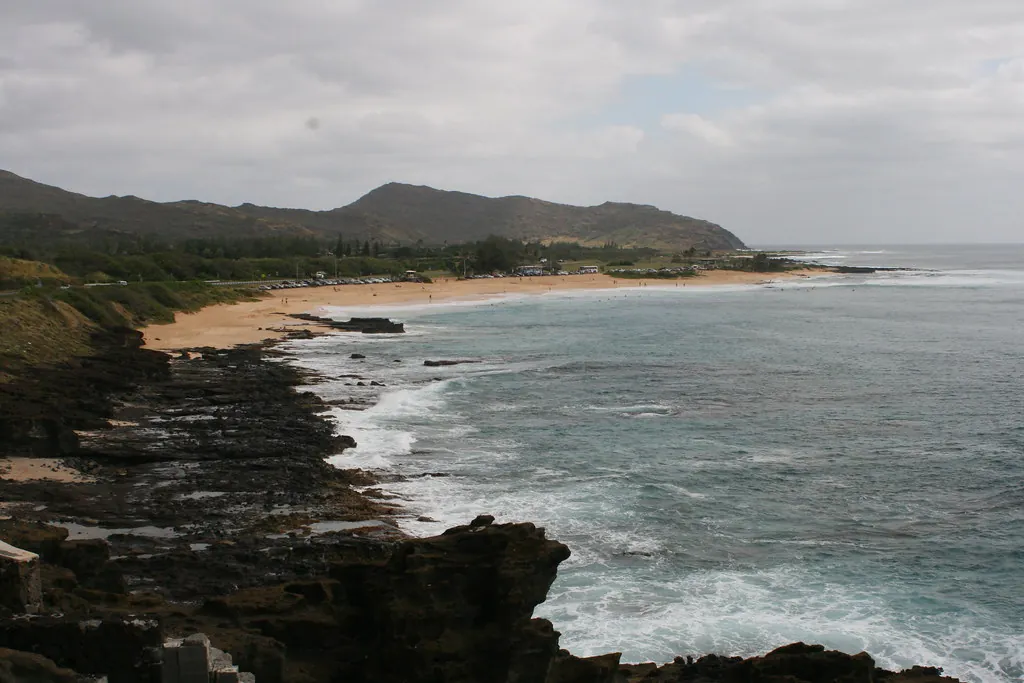
Makapuʻu Point Lighthouse Trail
A paved coastal cliff trail on Oahu’s eastern tip featuring public telescope stations and panoramic views of blowhole sprays.
Read Guide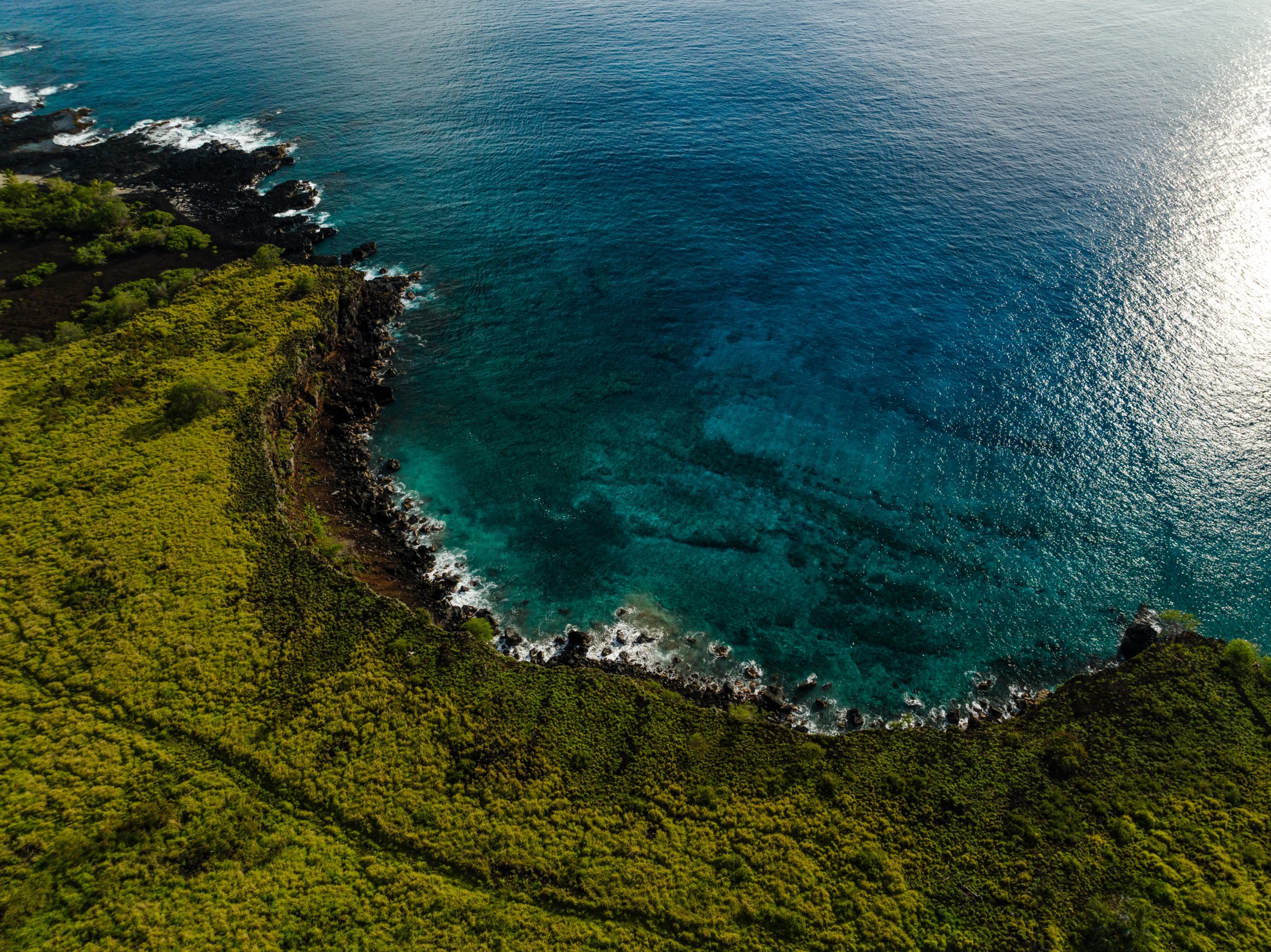
Molokaʻi & Lānaʻi Waters
Secluded coastal waters surrounding Papohaku Beach and Manele Bay. Tranquil, uncrowded sanctuary spaces for nursing calves.
Read GuideInteractive Regional Sanctuary Map
Explore departure harbors, prime shore viewing overlooks, and sanctuary boundaries across the islands using our interactive map guide:
Live Ocean & Weather Conditions
Check real-time swell, wind speeds, and coastal conditions before embarking on your ocean tour:
The Acoustic Dimension: Decoding the Mysterious Song of the Humpback
While seeing a 40-foot whale propel its entire body into the air is visually staggering, the auditory experience underwater is equally hypnotic. Only male humpbacks produce these long, structured haunting songs, which can last up to twenty minutes and travel across miles of open ocean. Scientists at institutions like the Pacific Whale Foundation have been recording and analyzing these aquatic compositions for decades.
When you step onto a boat equipped with hydrophones, the naturalist lowers a sensitive acoustic sensor into the sea. Instantly, low-frequency rumbles, high-pitched squeaks, and melodic moans reverberate through the boat’s sound system. Learn how acoustic technology works and what scientists believe these songs mean in our article: Acoustic Wonders: Listening to Whale Songs Underwater.
Ethical Observation: Ocean Stewardship & Marine Mammal Laws
As ocean stewards, our highest priority is protecting these peaceful ocean giants while they rest, give birth, and care for young calves. Under federal law—specifically the Marine Mammal Protection Act (MMPA)—it is illegal to approach a humpback whale within 100 yards (300 feet) in Hawaiian waters by boat, kayak, paddleboard, or drone.
The “Mugged” Phenomenon
What happens if a whale approaches your boat on its own? This is what local captains call getting “mugged.” When a curious humpback swims right up to a stationary vessel, captains must immediately disengage their engines into neutral and wait peacefully until the animal swims away. These intimate moments, where a whale looks right up at you through clear water, are among the most profound encounters in nature.
Always choose certified tour operators who employ trained marine naturalists and follow strict speed limit guidelines in designated sanctuary zones. Never attempt to swim with, chase, or touch a humpback whale in Hawaii.
Essential Preparation: Preparing for Deck Life and Pacific Seas
Even on hot, sunny Hawaiian days, trade winds blowing across open ocean channels can make boat decks breezy and spray-filled. To ensure a comfortable voyage, pack smart:
- Reef-Safe Sunscreen: Hawaii state law prohibits non-reef-safe sunscreens containing oxybenzone or octinoxate. Use mineral-based zinc oxide formulas to safeguard fragile coral ecosystems.
- Polarized Sunglasses: Polarized lenses cut harsh surface water glare, allowing you to spot sub-surface shadows and incoming whales seconds before they breach.
- Light Windbreaker or Rashguard: Ideal for shielding skin from spray and wind chill during morning sails.
- Motion Sickness Remedies: Take ginger tablets or non-drowsy sea-sickness medication 1 hour before departure if you are prone to seasickness.
- Camera Gear with Fast Shutter Speed: A fast shutter speed (1/1000s or higher) is critical for capturing explosive water splashes. Read our full expert photography tutorial: Photographing Breaching Whales: Tips and Camera Settings.
For a detailed breakdown of footwear choices for catamarans versus high-speed rafts, inspect our complete What to Wear & Packing Guide.
Frequently Asked Questions About Hawaii Whale Watching
What is the best month to whale watch in Hawaii?
February is widely considered the absolute peak month due to maximum population density and active newborn calves, though mid-January through March offers outstanding, guaranteed sightings across all main islands.
Which Hawaiian island is best for whale watching?
Maui is the undisputed whale watching capital. The shallow, protected ʻAuʻau Channel between Maui, Molokaʻi, and Lānaʻi creates a natural marine theater hosting the majority of migrating pods.
How much does it cost to go whale watching in Hawaii?
Standard 2-hour group catamaran tours range between $50 and $130 per person. Smaller zodiac raft charters or specialized marine biologist sails typically range between $95 and $160.
Is morning or afternoon better for whale watching in Hawaii?
Morning tours generally offer flatter sea conditions and lighter trade winds, making it easier to spot blows on calm water. Afternoon tours, however, can bring dynamic surface behavior and breathtaking lighting for photos.
Can you see whales from shore in Hawaii?
Yes! Elevated vantage points like Maui’s Papawai Overlook, Oahu’s Makapuʻu Lighthouse Trail, and the Big Island’s Kohala Coast offer fantastic shore-based binocular viewing without setting foot on a boat.
Can I swim with whales in Hawaii?
No. Federal laws strictly forbid swimming with or approaching humpback whales within 100 yards to protect both humans and marine life from harm.
Conclusion & Booking Action Plan for Your Winter Itinerary
Standing on the deck of a vessel as a humpback whale breaches toward the sky is a experience that connects you deeply to the grandeur of nature. As winter approaches, demand for top-rated eco-tours across Maui, Oahu, and the Big Island fills up fast—often weeks in advance during holiday periods and peak February runs.
Whether you choose a gentle sunset catamaran sail, a high-octane Zodiac safari, or an afternoon listening to underwater song recordings, prepare to be humbled by the raw beauty of Hawaii’s ocean sanctuary. Plan early, pack reef-safe sun care, and respect the regulations that keep our *koholā* safe. We look forward to welcoming you out on the water, brah!
Curious about non-whale activities to fill out your winter vacation? Check out our guide to Other Things to Do in Hawaii, USA for luaus, volcano tours, and world-class snorkeling adventures.