
What to Wear Whale Watching in Hawaii: Field Notes from a Maui Captain
Me and my crew have logged hundreds of hours in the Auau Channel watching koholā (humpback whales) leap into the air. Travelers frequently assume Hawaiian waters are perpetually hot and calm. Winter in Hawaii brings trade winds, open ocean swells, and sudden temperature drops on moving boat decks. Standing on the bow while a 40-ton creature breaches creates a wind whip that cools body temperature in seconds.
Planning what to wear whale watching in hawaii requires balancing tropical weather on land with wind exposure across the open ocean moana (ocean). Real-time forecasts from the National Weather Service help track wind speeds, but vessel movement creates its own breeze. This guide outlines exact apparel choices, lens filters, footgear standards, and environmental regulations enforced across Maui, Oahu, and the Big Island.
Marine Layering & Wind Protection
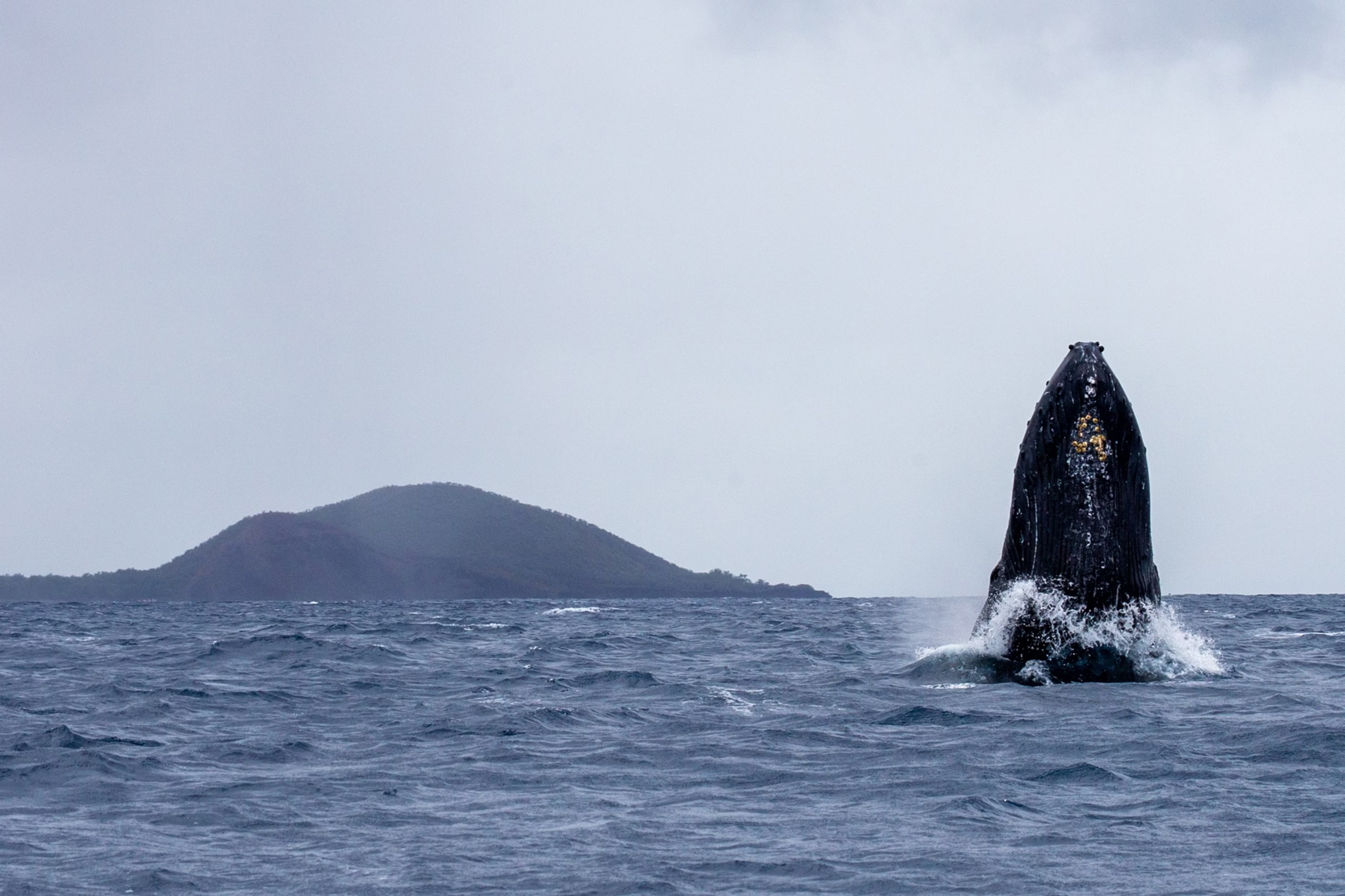
The ocean atmosphere changes dramatically once a boat leaves harbor shelter. Air temperatures across Maui, Oahu, and the Big Island average 75°F to 82°F from December through April, yet boat movement produces a sharp wind chill factor. A lightweight windbreaker or water-resistant jacket protects against ocean spray without holding excessive heat. Beneath the outer shell, breathable UPF 50+ long-sleeve rashguards regulate body temperature while shielding skin from persistent tropical UV rays.
Vessel-Specific Clothing Rules
Rigid inflatable boats (Zodiacs) ride lower in the water, exposing passengers to direct wind-driven wave spray. If you book a zodiac raft, wear quick-drying shorts or athletic pants made from synthetic fabrics like nylon. Cotton holds moisture against skin, causing rapid cooling. Large double-deck power catamarans offer shaded passenger cabins, but wind gusts on upper viewing decks demand a light windbreaker layer. Check our island destinations guide to evaluate vessel styles across Maui, Oahu, and Kona.
Footwear Fundamentals on the Water
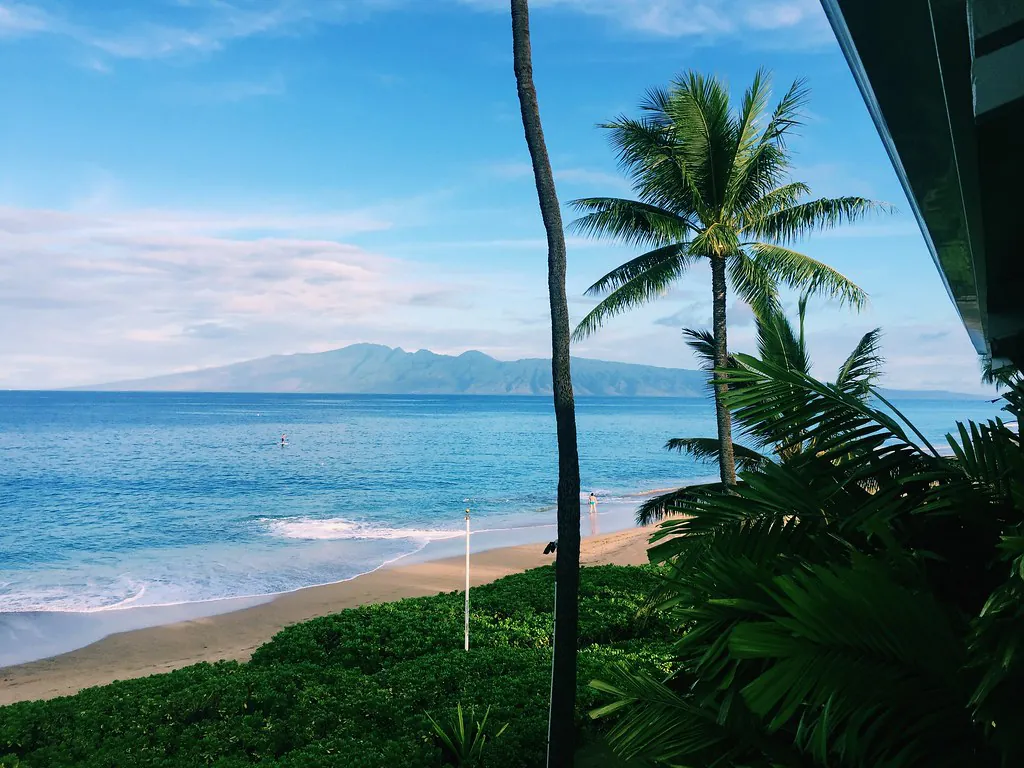
Boat decks present wet fiberglass and slick teak surfaces. Commercial operators on large catamarans enforce a barefoot policy once aboard, storing passenger footwear in deck bins during the excursion. You need comfortable slip-on sandals or water shoes for marina docks prior to boarding. High-speed raft tours require closed-toe water shoes or non-marking rubber-soled sneakers to maintain footing on rubber pontoons. High heels and hard leather soles are prohibited on all commercial vessels.
Defending Eye Care & Cutting Glare
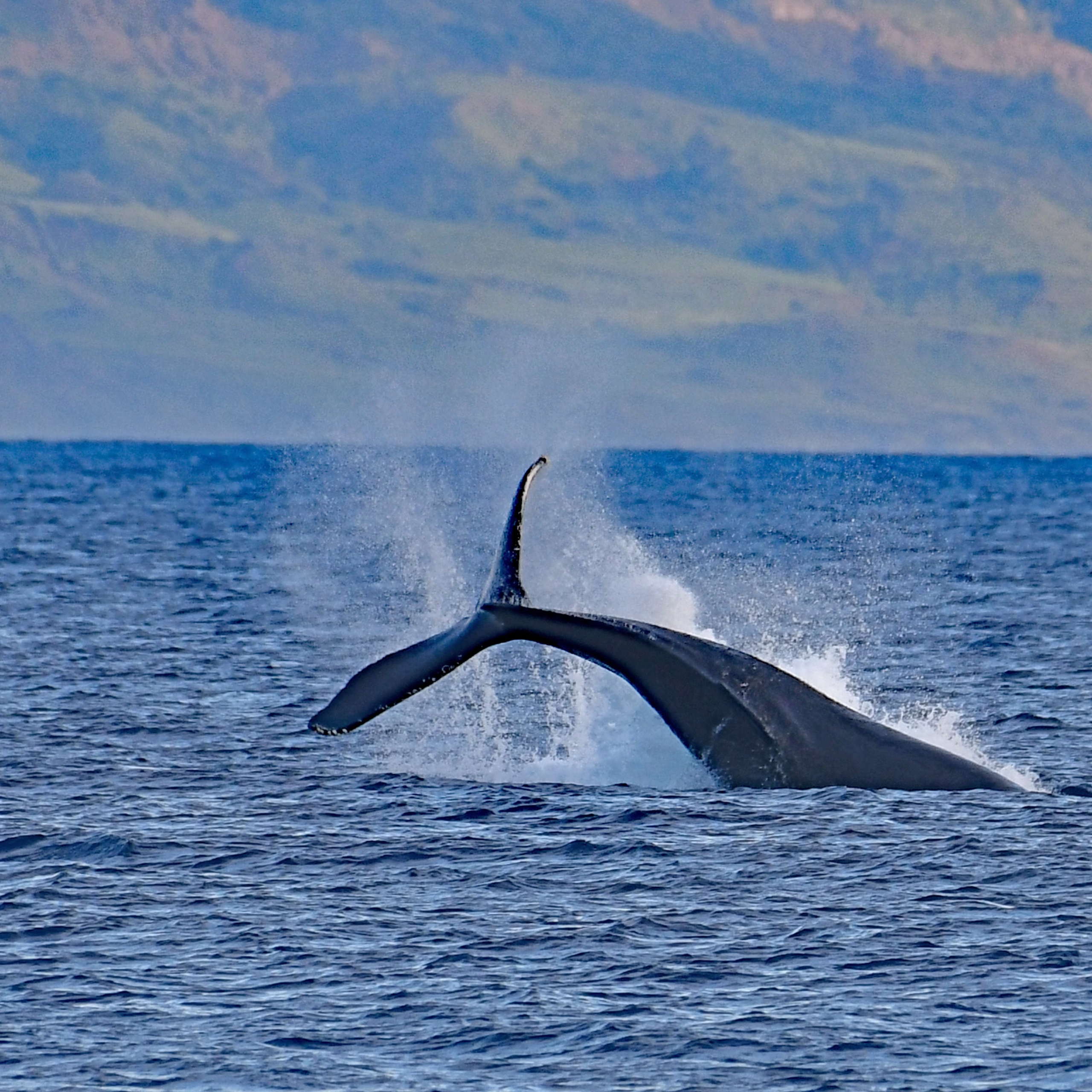
Reflected sunlight off teh surface of the Pacific creates intense glare that causes eye strain and obscures subsurface marine life. Polarized sunglasses with amber, copper, or grey lenses are indispensable for cutting surface reflections. Amber tinting enhances contrast, allowing naturalists and guests to spot subsurface whale shadows, pectoral fins, and tail flukes seconds before the humpback reaches the surface. Always pair sunglasses with a floating retainer strap to keep them secure when leaning over vessel railings.
A good pair of polarized glasses lets you see the majestic shadow of a 40-foot humpback gliding right under the bow, brah, long before its blowhole breaks the surface.
Reef-Safe Sunscreen Mandates
Marine conservation in Hawaii begins with chemical regulation. Under Hawaii state law, sunscreens containing oxybenzone and octinoxate are illegal due to coral reef toxicity. Maui County and Hawaii County strictly mandate non-nano mineral sunscreens utilizing zinc oxide or titanium dioxide. Apply mineral sunscreen 20 minutes before stepping aboard to let the physical barrier settle on your skin. Broad-brimmed hats with chin cords prevent headwear from blowing into the ocean during high-speed transits.
Mineral zinc oxide protects your skin while safeguarding the marine sanctuary where mother humpbacks nurse their newborn calves.
Beating Motion Sickness & Gear Protection
Winter ocean swells inside the Hawaiian Islands Humpback Whale National Marine Sanctuary test even seasoned sailors. Take non-drowsy motion sickness medication like meclizine or ginger tablets one hour prior to departure. Camera gear demands waterproof dry sacks to protect sensitive electronics against ocean mist. Use padded neck straps and keep microfiber cloths handy to wipe saltwater droplets from camera lenses. Learn more on our guide for photographing breaching whales.
Packing List Checklist & Environmental Etiquette
| Category | Recommended Item | Practical Purpose |
|---|---|---|
| Outerwear | Light windbreaker shell | Blocks ocean spray and wind chill on open deck |
| Base Layer | UPF 50+ long-sleeve rashguard | Protects skin against intense UV rays without overheating |
| Eyewear | Polarized sunglasses with floating strap | Cuts water glare to spot subsurface whale silhouettes |
| Sunscreen | Mineral zinc oxide lotion (HI compliant) | Complies with state laws to safeguard coral reefs |
| Footwear | Slip-on sandals or rubber water shoes | Easy dock transit; catamarans require barefoot boardings |
| Bag & Storage | 10L waterproof dry bag | Keeps camera, phone, and extra layers safe from spray |
Essential Day Bag Checklist
- 10L to 15L roll-top dry bag
- Polarized sunglasses with neoprene floating strap
- Mineral zinc sunscreen lotion (no sprays)
- Breathable windbreaker or light rain jacket
- Reusable stainless steel water bottle
- Non-drowsy motion sickness medication
- Microfiber lens cloth and camera dry pouch
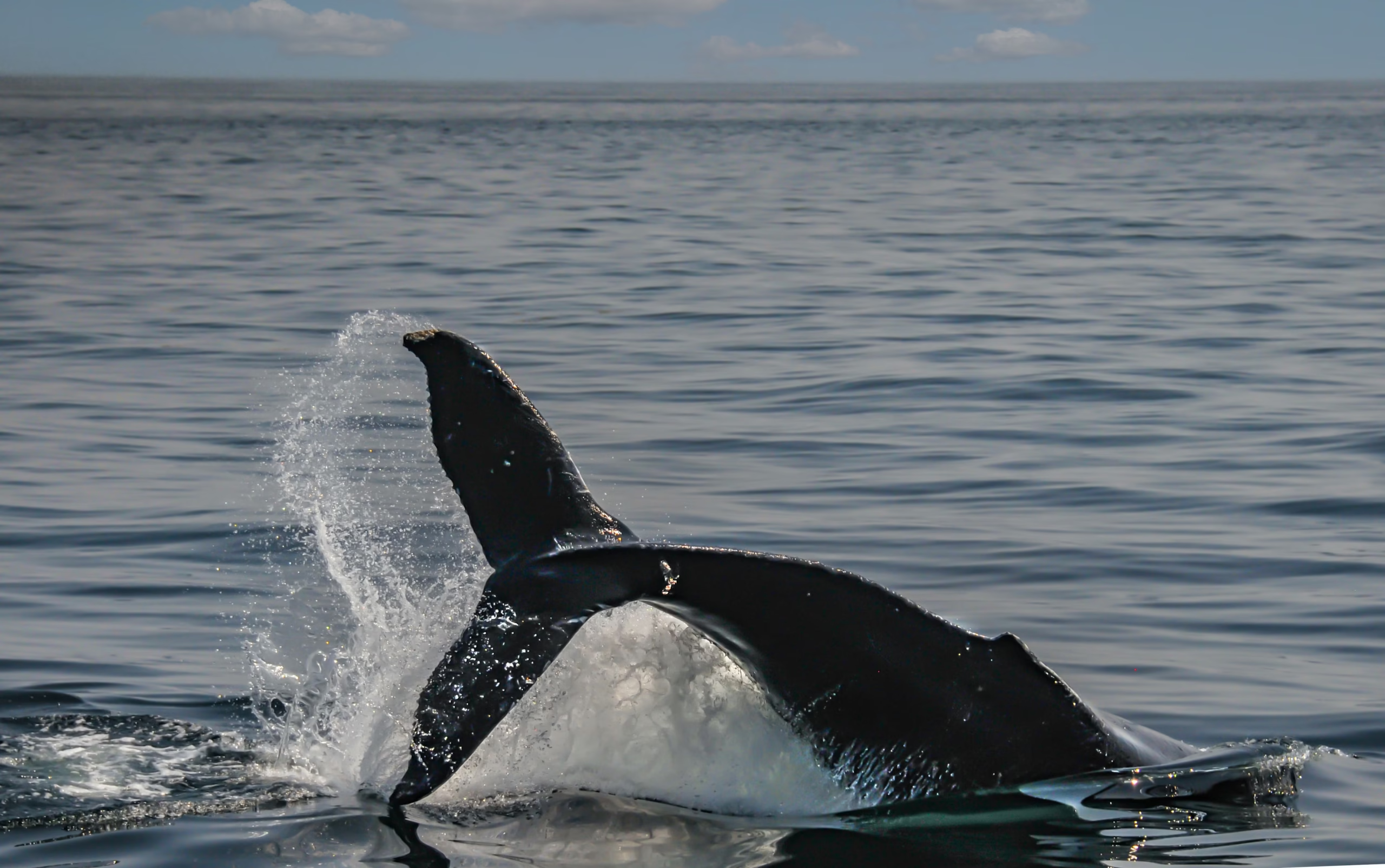
Minimalist packing helps reduce gear clutter on tight vessel walkways, preserving space for crew and naturalists to move safely. Federal regulations managed by the Hawaii Department of Land and Natural Resources prohibit approaching humpback whales within 100 yards, so high-magnification binoculars or telephoto lenses replace any need for underwater snorkeling equipment on dedicated whale watches. Understanding humpback whale migration patterns helps set expectations for visual sightings.
Early morning departures out of Lahaina, Maalaea, or Waikiki start in cool 70°F air, but sunshine warms the boat deck rapidly by mid-day. Layering allows seamless adjustments as your excursion unfolds. For optimal scheduling and seasonal weather data, review our guide on the best time for whale watching. When you return to shore, transition comfortably to land activities outlined in our other Maui activities index, or browse top-rated whale watch tours across the Hawaiian islands.