
Dolphin Encounters and Whale Watching: Spotting Marine Life Together
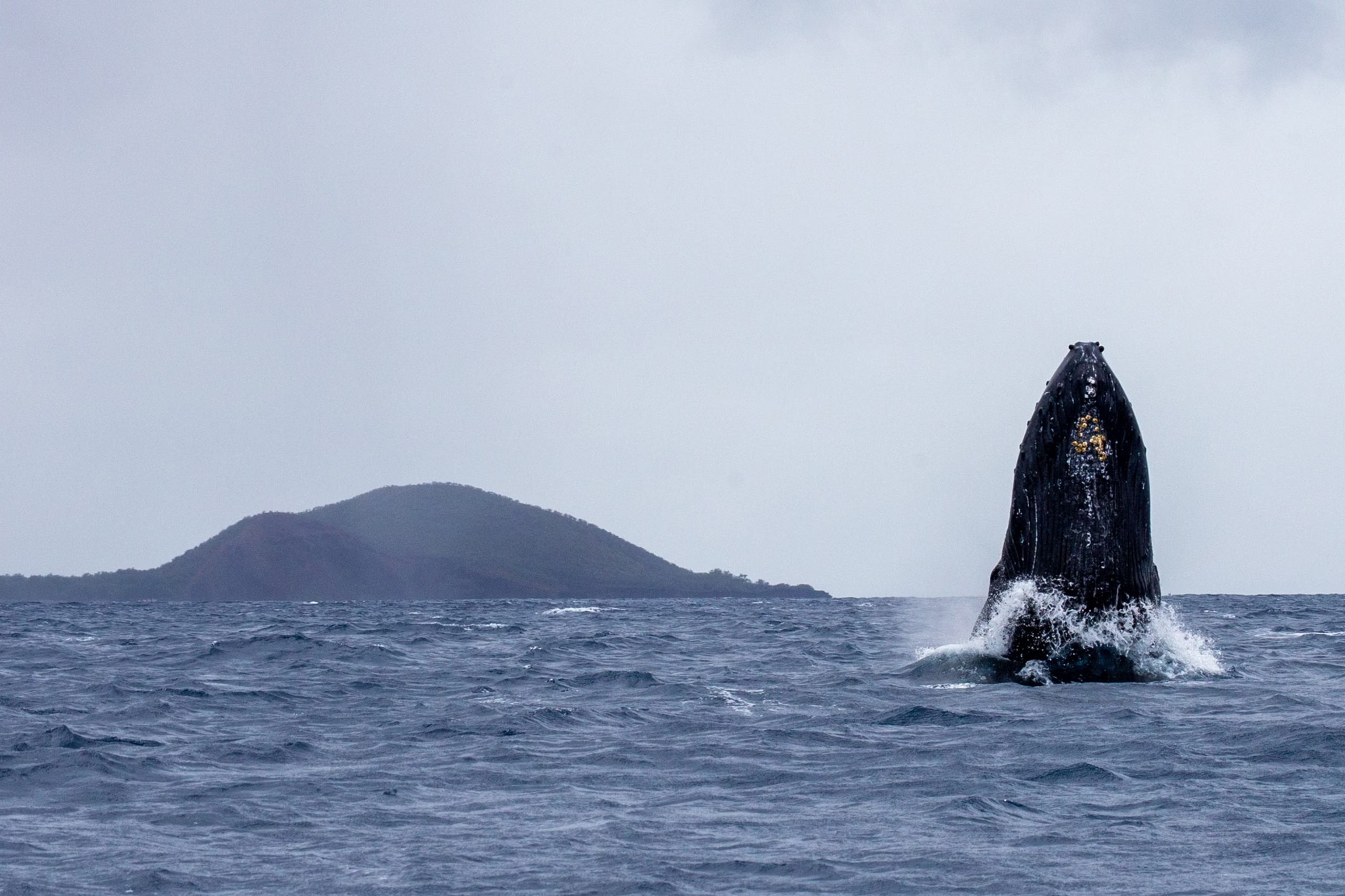
While winter brings thousands of human visitors looking skyward for a breaching 50-ton koholā (humpback whale), my salt-crusted field journal reminds me that the Hawaiian moana (ocean) never sleeps when the humpbacks head north. For over fifteen years as a captain and marine biologist off the Maui coast, I have spent thousands of hours watching the surface. Ocean waters here are home to a permanent community of acrobatic spinner dolphins, pelagic pilot whales, gentle honu (green sea turtles), and midnight-feeding manta rays. The raw power of a whale breach feels like the heartbeat of the Pacific, but seeing a pod of two hundred spinner dolphins riding the bow wave gives you an entirely different glimpse into marine intelligence.
The Acrobat of the Bays: Hawaiian Spinner Dolphins
Long before you spot a spout on the horizon, you often hear the sharp slap of a Hawaiian spinner dolphin (Stenella longirostris) cutting through the chop. These compact cetaceans measure between 4.6 and 6.8 feet in length and weigh up to 180 pounds, making them far smaller than the migratory humpbacks. Five genetically distinct island resident populations live across the chain, maintaining tight social bonds within shallow coastal bays. They spend their nights far offshore hunting for lanternfish, squid, and deep-water shrimp in the pelagic darkness. By sunrise, they return to calm, sand-bottomed sheltered waters to rest and nurse thier young.
When spinner dolphins enter coastal bays in the morning, they engage in unihemispheric sleep, shutting down half of their brain while the other half stays awake to breathe and keep watch for tiger sharks. Disturbing them during this critical recovery window drains the energy reserves they need to hunt at night.
Kealani Kala, Marine Biologist & Former Captain
Decoding the Spin and Toothed Giants of the Deep
Watching a spinner dolphin launch into the air and complete up to seven full rotations before hitting the surface is an unforgettable sight. Marine researchers attribute this aerial display to multiple functions including acoustic signaling across long distances, social communication within the pod, and shedding ectoparasites like remoras. Farther off the shelf where the ocean floor drops into abyssal trenches, larger toothed whales hold domain. Short-finned pilot whales, false killer whales, and secretive pygmy killer whales swim in deep water pods. They feed on large squid species and move with quiet authority through deep offshore channels around Oahu and the Big Island.
Choosing Your Ocean Excursion and Vessel Types
Planning an ocean trip requires understanding boat stability, travel speeds, and target species. Small rigid-hull inflatable boats (Zodiacs) sit low to the water and offer quick speed to cover ground between sightings. Large double-deck catamarans provide stable viewing platforms, shaded seating, and onboard restrooms, which suits families or those prone to seasickness. Evaluating options for guided whale watching tours means matching your comfort needs with the ocean conditions of your departure port.
| Vessel Type | Key Marine Species Observed | Sea Conditions & Ride Quality | Typical Regional Departure Hubs |
|---|---|---|---|
| Rigid-Hull Inflatable (Zodiac) | Spinner Dolphins, Reef Turtles, Humpbacks | Fast, wet, close to water level | Kona, Kihei, Waiʻanae Shoreline |
| Sailing & Power Catamarans | Humpback Whales, Dolphin Pods | Stable platform, shaded deck, smooth | Maʻalaea Harbor, Lahaina, Honolulu |
| Biologist-Led Research Charters | Toothed Whales, Pelagic Species, Whales | Focused research pace, deep water routes | Kailua-Kona, South Maui Coastline |
When comparing prices, hawaii ocean rafting whale watch and snorkel prices generally range between $95 and $160 per adult for standard two-to-three-hour trips. Specialty biologist-led research trips or small-group zodiac charters run higher, often between $140 and $220. Selecting early morning departures gives you calmer seas, lower wind speeds, and clear light before afternoon trade winds create choppy water.
Honu and Manta Rays: Resident Reef Dwellers
While pelagic species move continuously through deeper waters, the green sea turtle, known as honu, remains tied to shallow coral reefs. These reptiles hold deep cultural value across Hawaii, historically revered as ʻaumakua (ancestral spiritual guardians). You can observe them grazing on limu (algae) attached to lava rocks or hovering near coral cleaning stations where herbivorous fish pick parasites from their shells. Along the Kona coast of the Big Island, night excursions reveal giant Pacific manta rays filter-feeding on plankton concentrated by underwater dive lights. These gentle giants, with wingspans exceeding twelve feet, perform slow backward loops through illuminated water just feet from observing snorkelers.
Federal Ocean Regulations
Federal rules established by the NOAA Marine Life Viewing Guidelines strictly enforce minimum observation distances. Boats and swimmers must stay 100 yards away from humpback whales and 50 yards from wild dolphins. A specific federal rule prohibits swiming within 50 yards of Hawaiian spinner dolphins in coastal waters to prevent chronic sleep disturbance.
Ethical Ecotourism Practices
Responsible tour operators participate in the voluntary Dolphin SMART program, committing to safe boat speeds and zero chase maneuvers. Supporting certified local captains helps protect delicate marine habitats. Additional cultural guidelines supported by the Hawaii Tourism Authority emphasize quiet, non-intrusive wildlife watching across all islands.
The Interconnected Pacific Ecosystem
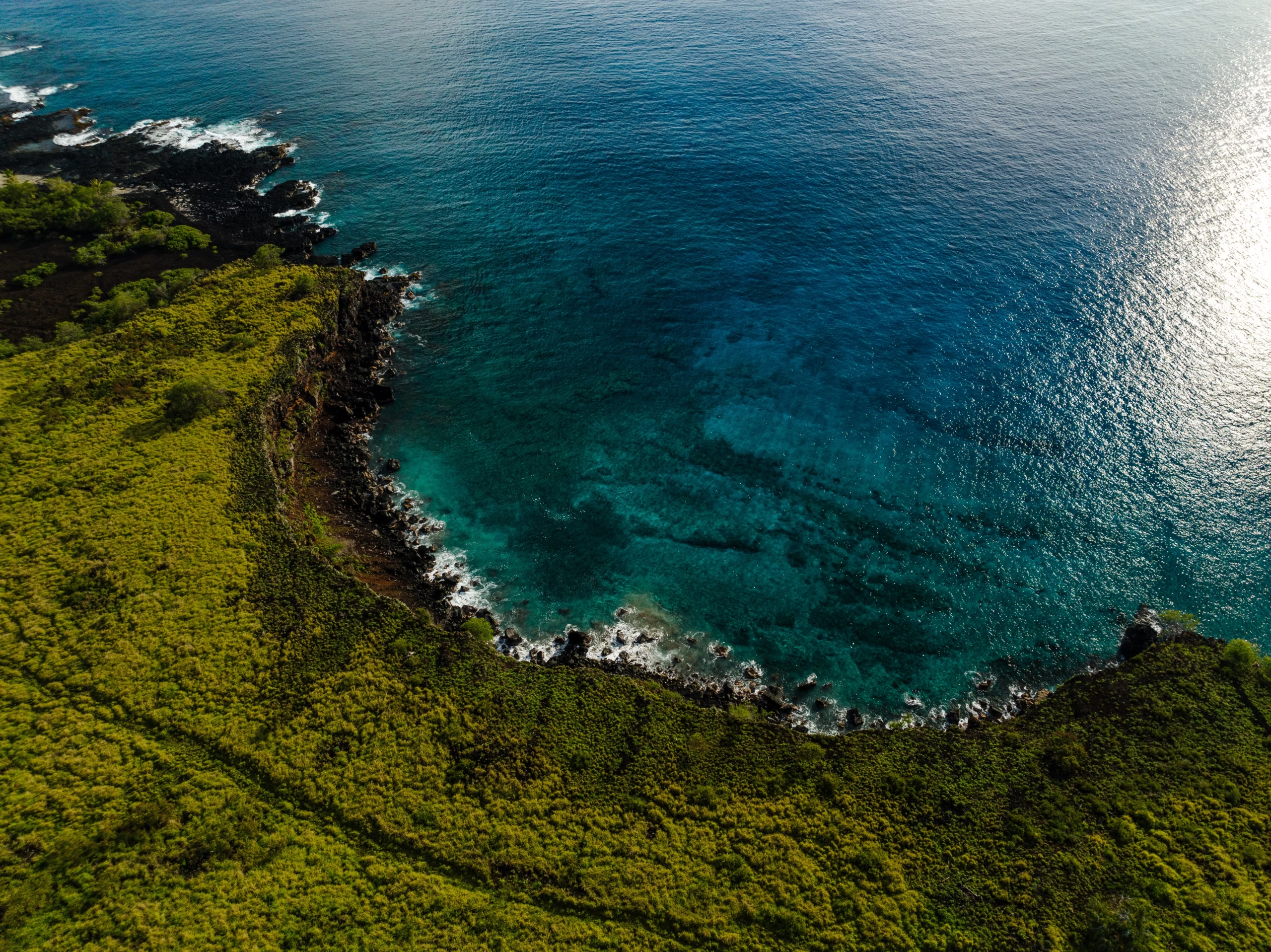
Understanding how different ocean species share space reveals the complex dynamics of the archipelago. During peak winter months, mother humpback whales select shallow waters under 600 feet deep to nurse their newborn calves. These calm channels, particularly between Maui, Molokai, Lanai, and Kahoolawe, double as feeding grounds for resident dolphin pods. For detailed timelines on seasonal arrival patterns, explore our guide on humpback whale migration patterns. Pelagic birds like boobies and shearwaters circle above tuna schools driving baitfish upward, creating localized feeding feeding events where dolphins, sea turtles, and pelagic fish hunt together.
When you sit quietly on a drift-boat with the engines cut, you hear the breath of a humpback echoing off the cliff face while spinner dolphins whistle underwater right beneath teh hull.
Island-by-Island Marine Breakdown
Every Hawaiian island features distinct ocean topography and species density. Choosing where to book your ocean excursion depends on which animals you want to spot and where your trip originates. Reviewing the regional island breakdown gives a complete overview of localized sea conditions.
- Maui County (Auau Channel): Top location for humpback whales from December through April. Protected channels create ideal conditions for calf rearing alongside resident bottlenose dolphins and green sea turtles along coral reefs.
- The Big Island (Kona Coast): Steep drop-offs near shore offer access to deep-water species like pilot whales, melon-headed whales, and oceanic whitetip sharks, alongside world-famous night manta ray snorkel sites.
- Oahu (Waiʻanae Coast & Honolulu): The western Waiʻanae coastline hosts large resident spinner dolphin pods. Travelers searching for whale watching honolulu hawaii can board charters leaving directly from Ala Wai Harbor or Kewalo Basin, heading out past Diamond Head to spot winter humpbacks without a long cross-island drive.
- Kauai (Na Pali Coast): Dramatic sea cliffs and deep coastal shelves offer opportunities to view spinner dolphins, humpback whales, and hawksbill turtles during summer and winter ocean tours.
Snorkeling Etiquette and Photography Advice
Sharing reef waters with marine turtles and reef fish requires disciplined swimmer behavior. Enter the water quietly without splashing, and keep your hands at your sides to avoid reaching toward marine life. Never corner a turtle against a reef ledge or cut off its direct path to the surface when it rises to breathe. Staying horizontal on the water surface prevents accidental fin damage to live coral structures.
photographing marine mammals from a moving boat deck requires fast camera settings and constant balance. Set your camera to shutter priority with a speed of at least 1/1000s or faster to freeze rapid dolphin leaps and water spray. Use continuous autofocus mode with dynamic area tracking, and keep both eyes open to spot distant surface splashes before raising the lens. Polarized filters cut surface glare off the Pacific, making underwater bodies far easier to track through the lens. Pack your gear into waterproof dry bags as outlined in our ocean packing guide to protect sensitive electronics against salt spray.
Plan your schedule carefully around weather patterns. Check the Hawaii whale watching season to ensure your visit aligns with peak migration months. After a morning on the ocean, explore other island adventures like crater hikes or sunset cultural performances to complete your stay. Approaching the ocean with patience and preparation ensures every wild encounter remains safe, respectful, and deeply rewarding for both human visitors and native wildlife.