
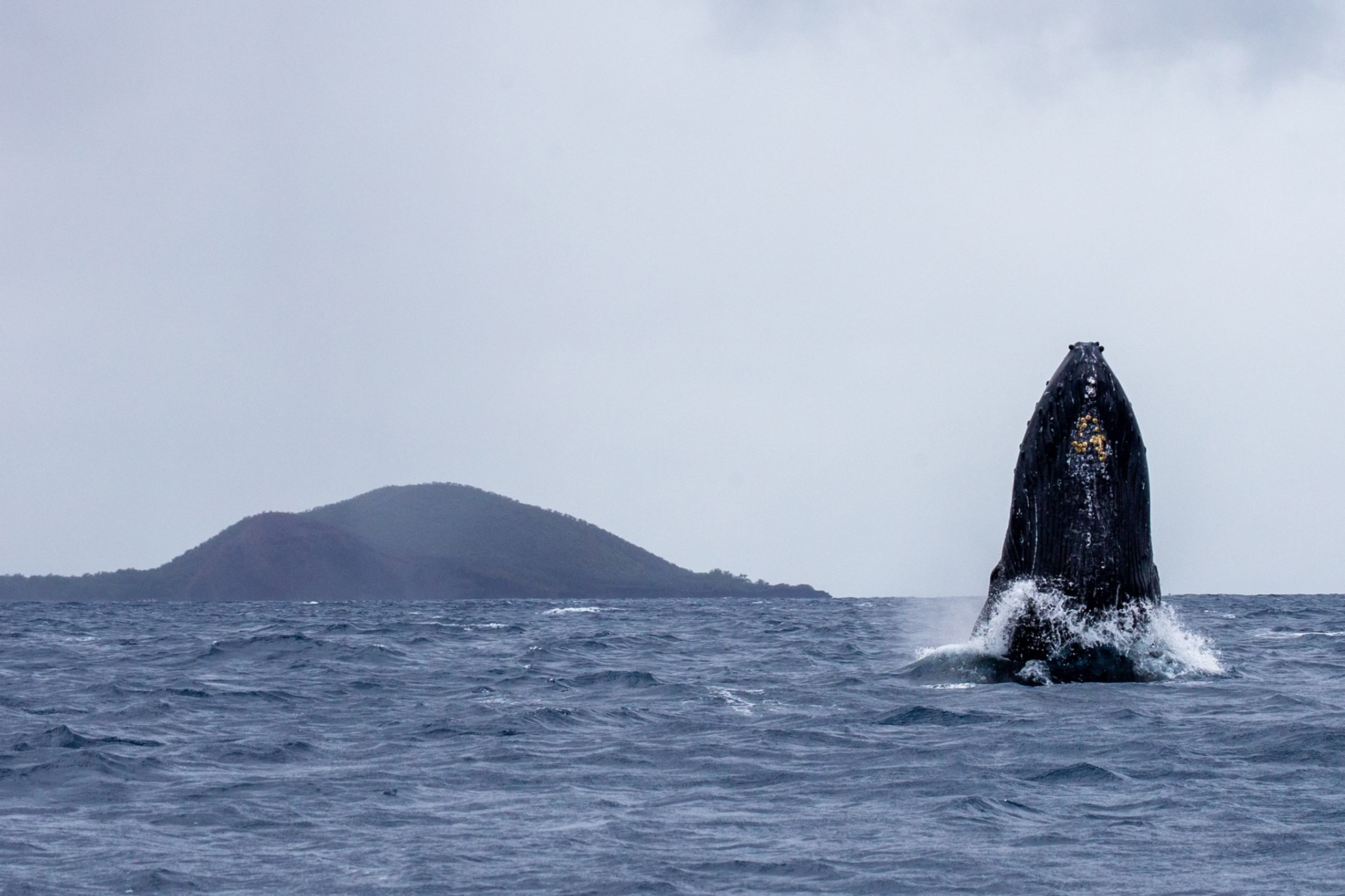
My salt-crusted field journal from winters spent on the ocean in Maui tells a consistent story. Every autumn, the water temperature in the North Pacific drops, and an ancient instinct pulls thousands of humpback whales, or koholā, across three thousand miles of open ocean from Alaska down to Hawaii. Standing on the deck of a boat while a forty-ton giant explodes into the air is an experience that humbles the soul. The raw power of that breach echoes across the water like the heartbeat of the Pacific. Planning your trip to witness this migration requires more than just buying a ticket. Understanding seasonal weather patterns, sea conditions, and animal movements across the winter months makes the difference between an ordinary ride and an unforgettable wildlife encounter.
The Hawaii Whale Watching Calendar: Official Season Window
The state and federal waters surrounding the Hawaiian Islands operate under strict environmental protection guidelines during the winter months. Officially, the humpback whale watching season in Hawaii runs from December through April. Biological activity does not adhere strictly to calendar dates, though. Teh earliest arrivals often slip past the outer reefs as early as October or November. These pathfinders are usually energetic adult males or pregnant females leading the long trek south.
By December, whale counts increase rapidly across all major island channels. January, February, and early March offer the highest density of koholā in Hawaiian waters. Mothers with newborn calves linger well into March and April before starting their arduous voyage back to Alaskan feeding grounds. Some solitary animals remain in shallow coastal pockets as late as May, but tour vessel operators wrap up their dedicated whale excursions by mid-April.
Month-by-Month Migration Breakdown
Every phase of the season has a distinct character on the ocean. Knowing what happens each month helps you choose the exact timing for your journey on the moana (ocean).
| Month | Whale Density | Dominant Behavior | Ocean & Weather Conditions |
|---|---|---|---|
| November / December | Low to Moderate | Arrivals, surface acrobatics, fast traveling | Early winter swells, variable trade winds |
| January | High | Competitive pods, aggressive mating chases | Moderate trade winds, occasional Kona rain |
| February | Peak (“Whale Soup”) | Breaches, tail slaps, newborn calf sightings | Peak winter swells, mixed sun and rain |
| March | High to Moderate | Mother-calf bonding, nursing, escort pods | Spring transition, calmer morning seas |
| April | Declining | Resting mothers, slow northward departures | Warming water, gentle spring breezes |
January and February: Peak Migration and “Whale Soup”
Ask any captain or marine scientist when the absolute best time for whale watching in Hawaii is, and they will point to January and February. During these mid-winter weeks, whale density reaches its apex. Captains jokingly call the shallow water between Maui, Molokai, Lanai, and Kahoolawe “whale soup” because blows and surface displays break the horizon in every direction.
During peak months, surface action is constant. Male humpbacks form competitive pods, chasing a single female in heat across miles of sea. These chases involve aggressive tail slaps, jaw claps, and massive head lunges. If you want to dive deeper into the science behind these seasonal arrival cycles, explore our detailed guide on humpback whale migration patterns in Hawaii.
Understanding Trickle Migration: Who Arrives First and Why
Whales do not travel in one giant school across the North Pacific. They participate in what biologists call trickle migration, arriving in distinct demographic waves over several weeks. Juveniles and immature adults lead the southern migration in late autumn. These young animals have no reproductive duties, so they move fast and display lively curiosity near passing boats.
Mature males and receptive females arrive next, filling the offshore channels with competitive energy. The final wave consists of pregnant females ready to give birth in Hawaii’s calm, protected bays. Pregnant cows require maximum feeding time in northern latitudes before making the 3,000-mile trip, as they will fast for months while producing energy-dense milk for their newborns.
Weather Patterns, Sea Conditions, and Regional Microclimates
Winter in Hawaii is a dynamic climate seasn. While tropical air temperatures remain mild, hovering between 75°F and 82°F, winter brings occasional cold fronts and low-pressure systems known locally as Kona storms. These systems disrupt prevailing northeasterly trade winds, causing heavy squalls and choppy seas for a day or two before trade winds return.
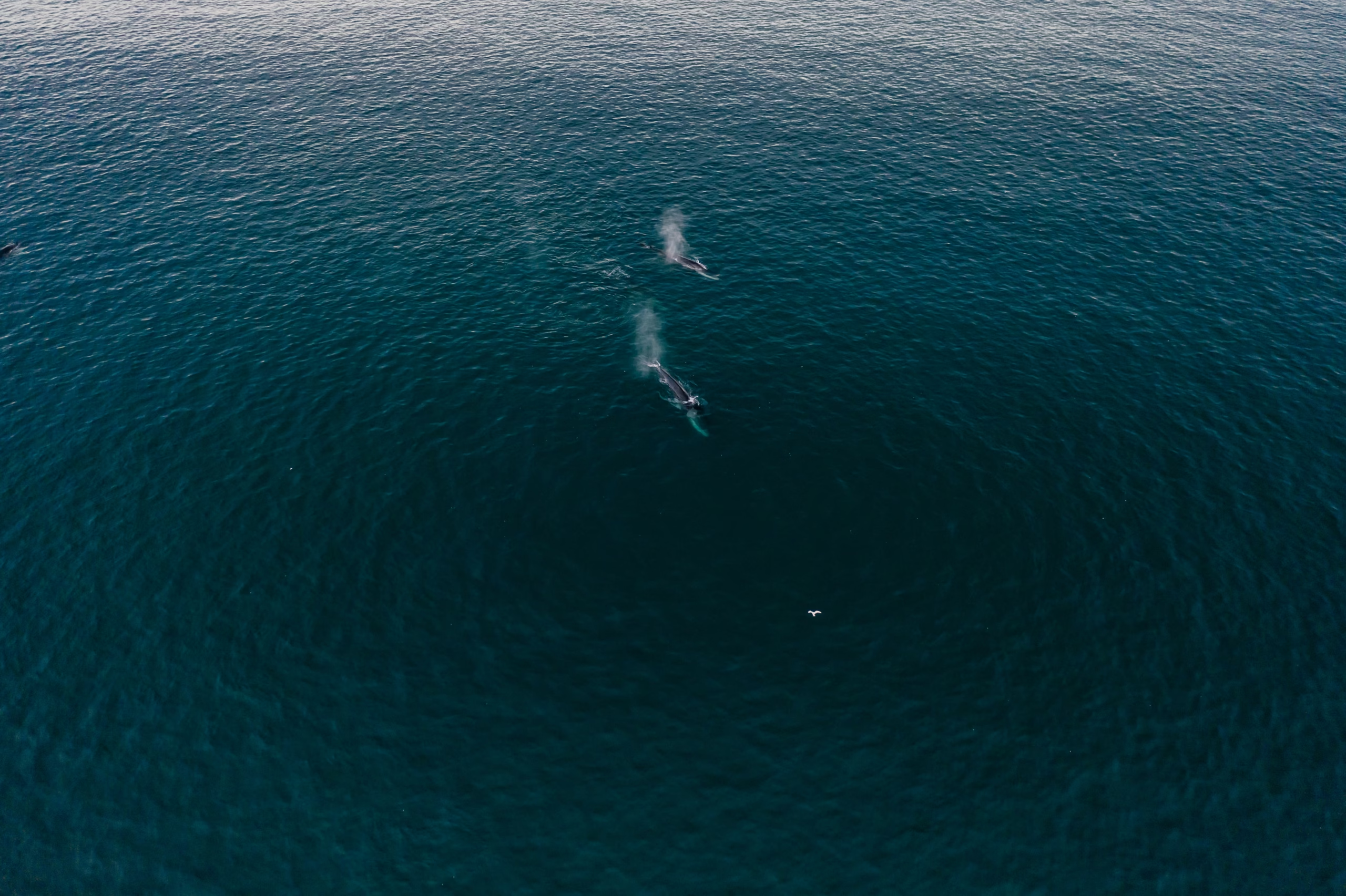
Approximately 75 percent of the North Pacific humpback population concentrates in the shallow Maui Nui Basin. Ocean depth here stays under 600 feet, and surrounding island landmasses block large ocean swells. Ocean water temperature hovers between 75°F and 78°F throughout winter. This warm, shallow water allows newborn calves, which lack thick blubber layers, to maintain body temperature without expending critical energy reserves. If you are comparing different regions for your trip, review our island destinations and regional guide to see how Maui, Oahu, and the Big Island compare.
Morning Calm vs. Afternoon Trade Winds
When selecting your tour departure, time of day plays a massive role in ocean conditions. Early morning departures offer mirror-flat, glass-like water. This calm surface makes spotting distant spouts and subtle tail flukes far easier, providing a smooth ride for passengers prone to seasickness.
If you want to hear the acoustic resonance of a singing male without wind chop interfering with the boat’s hydrophone feed, always book the first departure of the day, brah. The ocean whispers its secrets before the wind wakes up.
Undersea sound travels for miles in quiet water. Many commercial catamarans drop specialized hydrophones into the water so passengers can listen to hydrophone recordings or live singing. To learn more about this acoustic phenomenon, read our full article on listening to whale songs underwater.
Animal Behavior Shifts: From Mating Chaos to Gentle Bonding
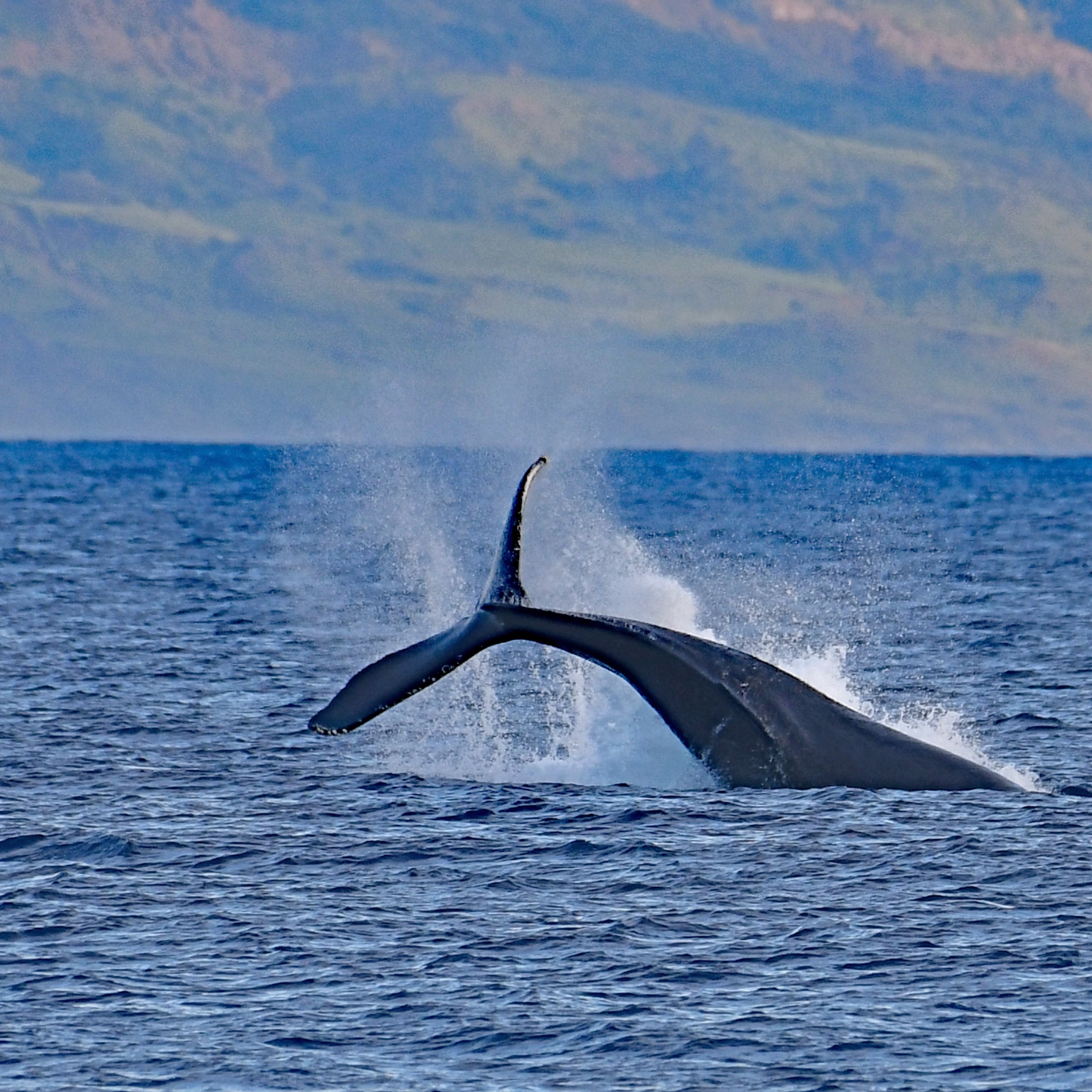
Whale behavior changes noticeably as the months progress. Early and mid-season (December through February) feature high-energy behaviors like surface breaches, pec slaps, and competitive pod activity. Capturing these majestic leaps on camera requires fast shutter speeds and sharp reaction times. Check out our expert recommendations for photographing breaching whales before stepping onto the deck I spent fifteen years working on.
Late season (March and April) presents a gentler atmospheric rhythm on the ocean. Mothers rest near shallow reef structures while their growing calves practice breaching, tail slapping, and breathing techniques. You will often see an adult male “escort” swimming alongside a mother-calf pair, defending them against rival males in exchange for mating privileges during the next cycle.
Navigating Crowds, Tour Pricing, and Logistics
Tourist volume surges in Hawaii during two main winter windows: the holiday period from mid-December through early January, and spring break in March. Ticket prices for standard two-hour whale watching cruises range from $40 to $110 per adult, depending on vessel type, group size, and included amenities. Rigid-hull inflatable rafts (Zodiacs) cost slightly more than large double-deck catamarans, but offer water-level perspectives.
To secure preferred departure times during holiday periods, reserve excursion slots weeks ahead. If you need details on gear preparation, motion sickness medication, and clothing layers for breezy boat decks, head over to our packing guide. For a complete look at available boat charters and booking platforms, browse our guided tours hub.
Shore-Based Viewing and Public Lookouts
You do not need to be on a boat to enjoy whale watching in Hawaii. Elevated coastal lookouts across the islands provide phenomenal views of surface activity. On Maui, McGregor Point Lookout, Papawai Point, and the cliffs along Kapalua Coastal Trail offer elevated vistas over sanctuary waters. Bring a sturdy pair of binoculars, scan the horizon for water vapor plumes, and watch for explosive splashes.
Oahu offers shore sighting locations along the Makapuʻu Lighthouse Trail and Halona Blowhole lookout. On the Big Island, the Kohala Coast provides high ocean vistas where whales frequently rest in shallow water close to shore. When taking a break from ocean observation, you can explore non-marine adventures by visiting our guide to other top activities in Hawaii.
Conservation, Sanctuary Rules, and Federal Protections
Every humpback whale in Hawaii is protected under the Marine Mammal Protection Act and state wildlife laws. The [Official NOAA Sanctuaries Website] oversees 1,400 square miles of critical ocean habitat surrounding the islands. Federal law strictly prohibits approaching a humpback whale within 100 yards by vessel, kayak, paddleboard, or drone. Swimmers and divers must also maintain this buffer zone, meaning swimming with wild humpback whales in Hawaii is illegal.
Vessels must slow their speed to 6 knots or less when operating within 400 yards of a whale, as mandated by guidelines from [Official NOAA Fisheries Portal] and state enforcement through the [Official Hawaii DLNR Site]. Sometimes, curious whales approach stationary boats on their own, an incredible occurrence captains call a “whale mugging.” When this happens, captains disengage the engines and let the animal interact until it swims away on its own path.
Respecting the 100-yard boundary ensures these majestic giants can give birth, nurse, and mate without human disruption. We are guests in their oceanic home.
Preparing for Your Journey on the Moana
Watching a humpback whale launch its forty-ton body out of the water remains one of nature’s greatest spectacles. Whether you stand on a high cliff overlooking the Maui Nui Basin or feel the gentle spray from a vessel deck during a morning departure, witnessing the return of the koholā connects you directly to the life force of the Pacific. Pack your camera, respect federal distance guidelines, and prepare to be moved by the grand migration across Hawaiian waters. To begin planning your overall itinerary, return to our main portal on whale watching in Hawaii.