
Shore vs. Boat: Where is the Best Place to See Whales?
My salt-crusted field journal has entries spanning twenty years of marine research across Maui, Oahu, and the Big Island. Standing on the sun-baked headland at Papawai Point, watching a forty-ton whale launch clear out of the sea, brings a quiet awe. Down at sea level on a zodiac, that exact breach sends a concussive thud through your ribs. Travelers planning their Hawaiian winter itinerary face a tough decision when choosing between watching from coastal cliffs or booking an offshore boat charter. Both options offer a diferent perspective on these migratory giants, and understanding the trade-offs helps you choose the right experience for your budget and comfort level.
The Marine Biology Perspective of Koholā Distribution
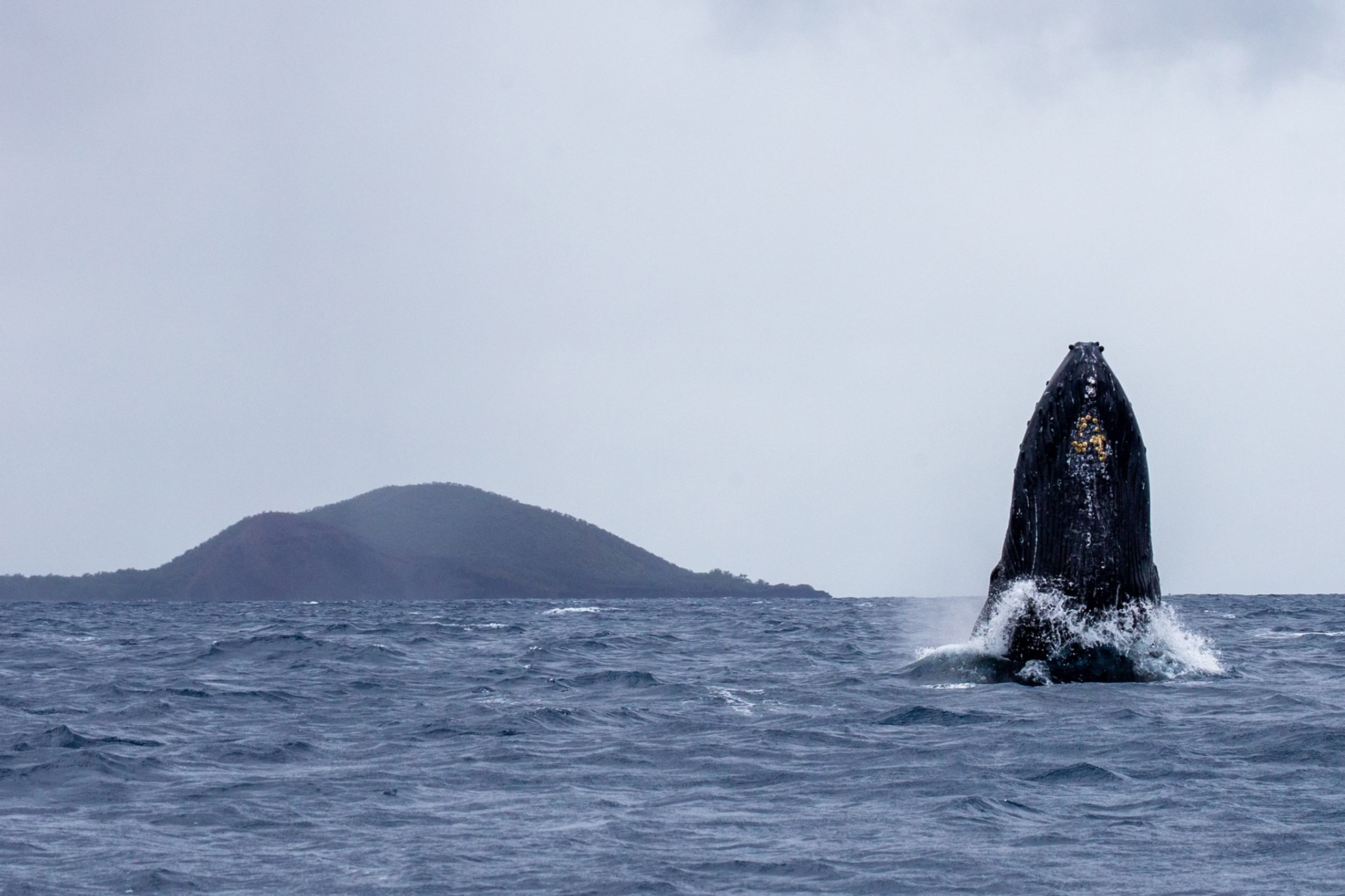
To evaluate viewing options, you have to look at how humpback whales, known locally as koholā, utilize Hawaiian coastal ocean geography. Each winter, thousands of North Pacific humpbacks migrate thousands of miles from cold Alaskan feeding grounds to the warm waters of Hawaii. The shallow, sheltered basin formed by Maui, Molokai, Lanai, and Kahoolawe forms the heart of the [Hawaiian Islands Humpback Whale National Marine Sanctuary]. You can study these movement trends in detail in our article on humpback whale migration patterns in Hawaii.
Whale distribution varies by social group and water depth. Mothers with young calves favor shallow, protected waters close to shore to conserve energy and avoid harassment by aggressive adult males. Active surface competition pods, where multiple males contend for a female, occur further out in deeper ocean channels. Observing from high coastal elevations gives you a macro view of these pod dynamics across miles of open ocean.
Standing on a volcanic cliff lets you witness the full scope of the migration. Being on the water lets you hear the blast of a blowhole close enough to smell the salt.
Kealani Kala
Land-Based Whale Watching: The Slow-Paced Shore Approach
Many visitors ask: can you see whales from shore in hawaii? The answer is yes, particularly during peak migration months from January through March. Shore viewing provides a relaxed experience without tight schedules, safety briefings, or motion sickness. You grab a set of quality binoculars, claim a scenic lookout, and scan the sea for blows, tail slaps, and explosive leaps.
Spotlight on Maui: McGregor Point and Pali Lookouts
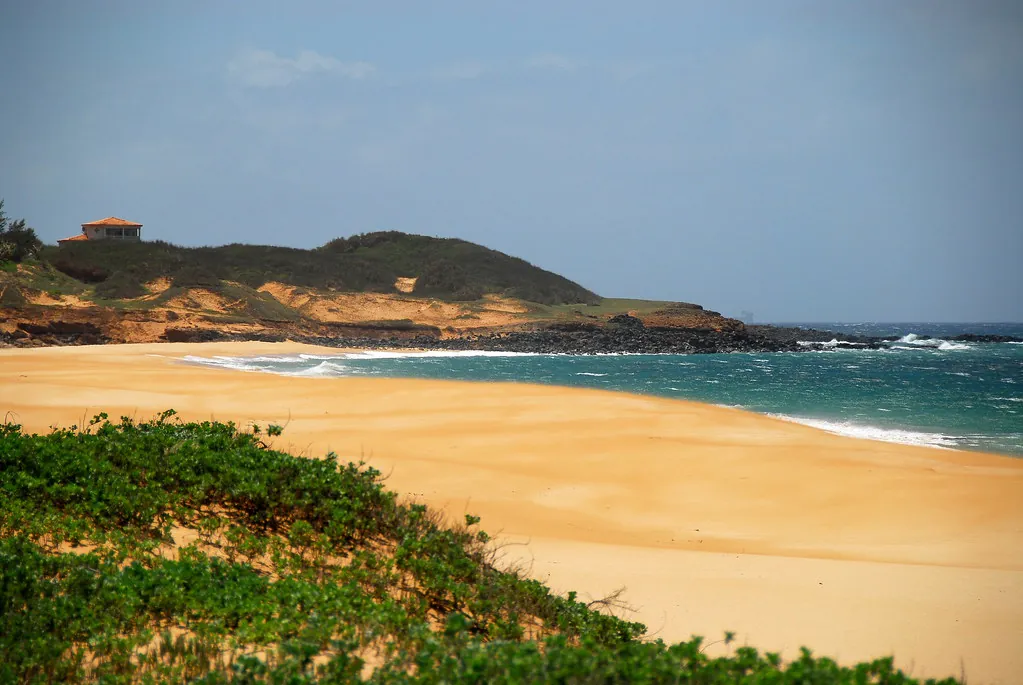
Maui sits as the undisputed center of Hawaiian whale activity. McGregor Point, also known as Papawai Point, sits along Highway 30 between mile markers 8 and 9. It provides an elevated cliffside view over Maʻalaea Bay and the Auʻau Channel. During peak winter months, volunteers from the [Pacific Whale Foundation] staff information booths here with educational displays. Additional top spots on Maui include the Wailea Beach Path, the Kapalua Coastal Trail, and Kamaʻole Beach Park III in Kihei. Read our island destinations and regional guide to see how these locations fit into your travel plans.
Spotlight on Oahu and Big Island Shore Lookouts
Oahu offers exceptional shore opportunities along its eastern headlands. The [Makapuʻu Point Lighthouse Trail] features a paved 2-mile round-trip walk leading to an elevated viewpoint beside the historic 1909 lighthouse. Coin-operated spotting scopes along the path help visitors track active pods passing the windward reefs. Nearby sites include the Hālona Blowhole lookout, Lānaʻi Lookout, and the cliffs near Diamond Head. On the Big Island, Puʻukoholā Heiau National Historic Site near Kawaihae Harbor offers a historic vantage point over shallow coastal waters that mother-calf pairs frequent.
Shore Viewing Advantages
- Zero admission fees at public lookouts and trails
- Complete control over your time and schedule
- No risk of seasickness or rough ocean swells
- Broad elevated view ideal for tracking multiple pods simultaneously
Shore Viewing Limitations
- Whales stay farther away, requiring binoculars or telephoto lenses
- No opportunity to hear underwater whale songs via hydrophone
- Exposure to coastal winds and hot equatorial sun
- Limited perception of the whale’s true physical size
Offshore Boat Tours: Entering the Moana
Heading out onto the ocean, or moana, places you directly in the natural habitat of humpback whales. Boat tours operate out of major harbors across all islands. In Maui, departures leave from Maʻalaea Harbor and Lahaina. Oahu tours depart from Kewalo Basin near Waikiki. On the Big Island, boats run out of Keauhou Bay and Kawaihae Harbor. Finding the best place to whale watch in hawaii often comes down to choosing the right boat style for your party.
Vessel Types Compared: Catamarans vs. Zodiac Rafts
Tour operations rely primarily on two styles of boat. Large, double-deck catamarans offer stability, shaded seating, freshwater restrooms, and onboard bars. These vessels suit families, seniors, and travelers prone to motion sickness. Prices for basic catamaran cruises range from $40 to $70 per person. You can view options on our guided tours page. Rigid-hulled zodiac rafts sit low in the water, travel at higher speeds, and carry smaller groups of twelve to twenty passengers. Zodiac tours cost between $90 and $150 per person, offering an intense, spray-filled ride that puts you at eye level with the water. Make sure to review our packing guide for whale excursions before heading out on a raft tour.
The Educational Dimension: Onboard Naturalists and Live Hydrophones
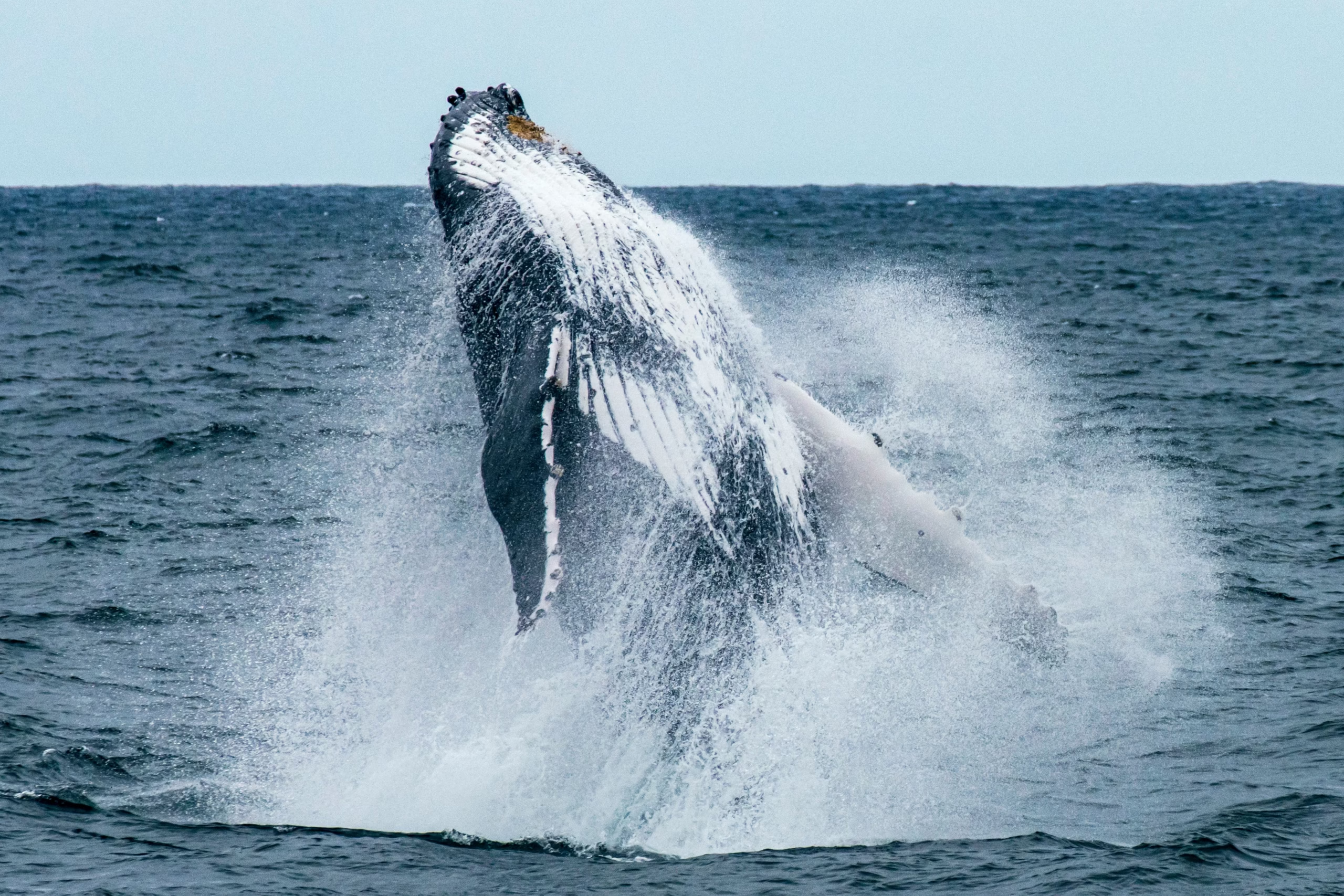
Offshore trips provide valuable educational depth through certified marine naturalists who narrate the behavior you observe on the water. Naturalists explain pectoral slaps, spyhops, tail throws, and competitive charging. Most modern vessels carry specialized underwater hydrophones. Captains drop these sensitive microphones into deep water, broadcasting the haunting songs of breeding male humpbacks directly through the onboard speakers. You can learn more about this phenomenon in our guide to listening to whale songs underwater. Photographers also benefit from vessel proximity, which we cover in our guide on photographing breaching whales.
Financial, Logistical, and Timing Realities
Selecting your viewing method requires balancing budget, timing, and ocean conditions. Boat tours typically run two hours in duration. Morning departures around 8:00 AM face calmer water and light wind, making them ideal for avoiding seasickness. Afternoon departures encounter stronger trade winds and chop, though active surface behaviors remain high. Customary tipping for boat crews is $10 to $20 per passenger for good service. Federal law strictly prohibits swimming with humpbacks in Hawaii waters, so all observation happens strictly from above the water surface.
| Factor | Shore Observation | Offshore Boat Tour |
|---|---|---|
| Average Cost | Free (Public access) | $40 to $150+ per person |
| Viewing Distance | 0.5 to 3 miles away | 100 yards (or closer if whale approaches) |
| Motion Sickness Risk | None | Low on catamarans, High on rafts |
| Audio Features | Distorted surface blow sounds | Live underwater hydrophone broadcasting |
| Best Time of Day | Early morning or late afternoon | 8:00 AM to 10:00 AM (Calmer seas) |
Patience pays off whether you watch from high headlands or a rolling deck. Teh ocean rewards those who give it time.
Ethical Considerations and Federal Approach Regulations
Federal law under the Marine Mammal Protection Act mandates that all ocean vessels, kayaks, and paddleboarders stay at least 100 yards away from humpback whales in Hawaii. That distance increases to 300 yards around mother and calf pairs. According to [NOAA Fisheries], ethical captains disengage their boat propellers whenever whales move toward a stationary vessel. Inquisitive whales sometimes approach boats on their own terms, an event local captains refer to as a “whale mugging.” Shore-based watching carries zero risk of disturbing animal behavior, making it an ideal choice for conservation-minded travelers.
Making the Choice: Combining Shore and Sea Itineraries
You do not have to choose just one viewing strategy for your Hawaiian trip. The best strategy starts with a morning visit to a coastal lookout like McGregor Point or Makapuʻu to scan for active pods with binoculars. Once you spot where whales congregate, follow up with an early morning catamaran or zodiac excursion later in the week to experience their power up close. Check our advice on the best time and weather for whale watching to line up your trips with ideal conditions. Combining shore and boat vantage points gives you a complete picture of Hawaii’s humpbacks, which is the exact perspective every traveler should hope for.