
Island Destinations & Regional Guide for Hawaiian Whale Watching
Each winter, thousands of North Pacific humpback whales finish a grueling three-thousand-mile journey from the icy feeding grounds of Alaska to the warm, shallow embrace of the Hawaiian archipelago. My salt-crusted field journal contains over twelve years of logged observations from boat decks and shoreline lookouts. Year after year, the arrival of these *koholā* (humpback whales) transforms the blue expanse of the *moana* (ocean) into a nursery and mating arena. Understanding how underwater topography, lee shores, and island channels shape whale behavior is essential when choosing the right island base for your marine expedition.
The main Hawaiian Islands sit within the federal protections of the Hawaiian Islands Humpback Whale National Marine Sanctuary. While humpbacks appear off every coastline from December through April, the experience varies dramatically between islands. Maui sits wrapped in shallow, protected channels that turn the ocean into a dense whale sanctuary. Oahu balances urban Honolulu harbour departures with deep oceanic drop-offs. The Big Island features calm Kona waters in the west contrasting against wild ocean swells off Hilo. Choosing where to stay depends on whether you seek tranquil waters, dramatic shore-based observation points, or high-octane raft rides. To understand the seasonal timing of these migrations before picking your base, consult our guide on the best time for whale watching in Hawaii.
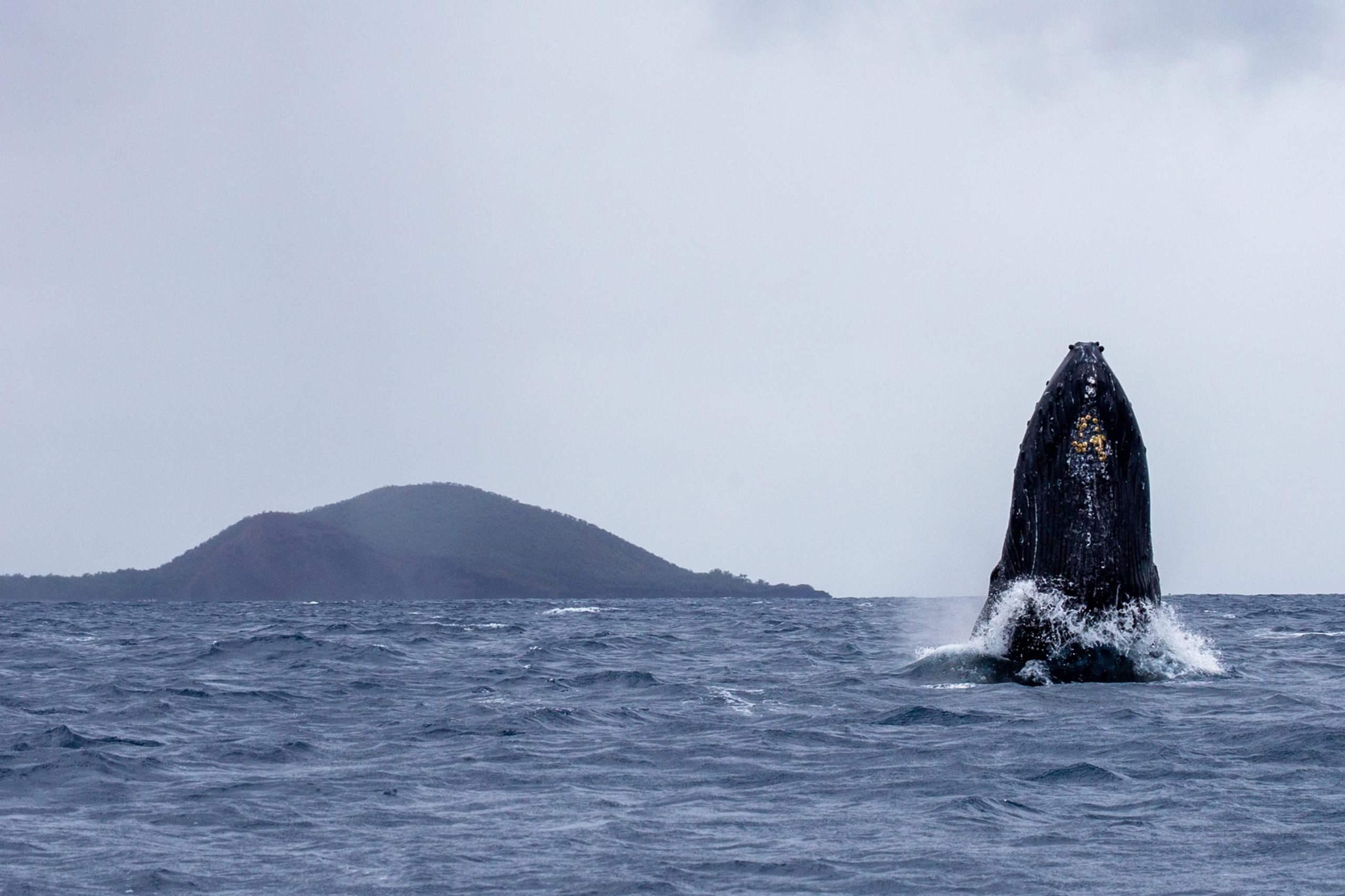
Maui: The Undisputed Capital of Pacific Whale Watching
Maui earns its reputation as the premier location for cetacean encounters due to its unique sea floor geography. The four-island region comprising Maui, Molokai, Lanai, and Kahoolawe forms a sheltered, shallow basin known as Nēnē-o-Moana. Depths in teh Auau Channel rarely exceed three hundred feet. This shallow seabed acts as a natural barrier against deep-ocean predators like killer whales, creating a safe sanctuary where mother whales nurse newborn calves and teach them vital survival skills.
Standing on the flybridge of a vessel off Lahaina or Ma’alaea, the sheer density of surface action is unmatched. You will witness surface behavior on almost every tour during peak months of January and February. Male humpbacks form competitive pods, charging through the water, blowing bubbles, and slamming their tail flukes in frantic displays to gain the attention of a female. The explosive impact of a forty-ton whale launching entirely out of the water feels like the heartbeat of the Pacific rattling your ribs. If you wish to learn how to capture these sudden displays on camera, explore our expert recommendations for photographing breaching whales.
The shallow seabed of the Auau Channel acts as a natural sanctuary where mother humpbacks nurse their calves safe from deep-ocean predators.
Maui Terrestrial Explorations and Cultural Anchors
Experiencing Maui involves balancing hours on the water with visits to its dramatic inland landscapes. After a morning boat tour from Ma’alaea Harbor, drive up the winding slopes of Haleakalā National Park. Rising over ten thousand feet above sea level, this dormant volcano offers views across the central valley down toward the very channels where you watched whales hours earlier. Watching the sun rise above the cloud layer provides a stark, quiet contrast to the wild energy of the ocean.
Across the Auau Channel lies the island of Lanai, home to the Kaunolu Village Site. This ancient Hawaiian fishing village once served as a favorite retreat for King Kamehameha I. The stone foundations and high cliffs overlooking the channel highlight how native Hawaiians have observed *koholā* from these exact sea bluffs for centuries. Ancient petroglyphs carved into the dark basalt rock depict human figures alongside marine life, connecting modern conservation efforts directly to traditional Hawaiian stewardship.
Oahu: Urban Departures and Deep-Water Encounters
Many travelers wonder if whale watching hawaii oahu options can compete with Maui. Oahu offers a distinct, high-energy experience where modern city skylines meet deep marine ecosystems. Departing directly from Ala Wai Harbor or Kewalo Basin, tours for whale watching honolulu hawaii put you on the ocean within minutes of leaving your Waikiki hotel deck.
Because Oahu lacks the extended shallow basin found in Maui, deep water lies much closer to shore. Boats departing Honolulu hit deep pelagic drops quickly, increasing your chances of encountering pelagic species alongside humpbacks. You might spot spinner dolphins, pilot whales, or oceanic white-tip sharks passing through the deep currents off Diamond Head. The backdrop of Honolulu skyscrapers set against towering green volcanic ridges provides a dramatic setting for watching a humpback breach.
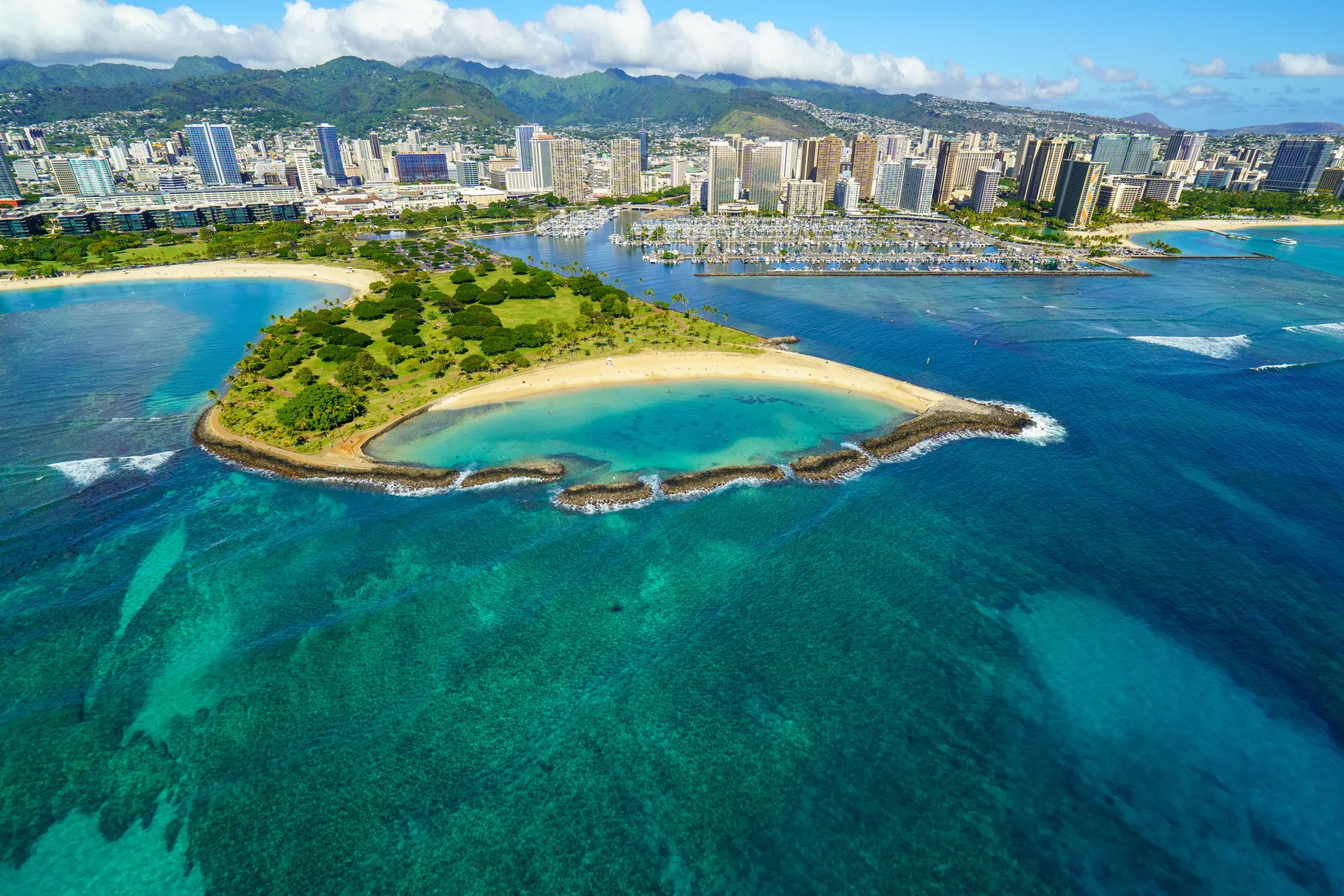
Oahu Ridge Trails, Botanical Escapes, and Rugged Coasts
When staying on Oahu, complement your ocean outings with hikes along the Ko’olau Mountain Range. Ho’omaluhia Botanical Garden in Kaneohe provides a verdant sanctuary filled with tropical plant collections beneath sheer, fluted emerald cliffs. For those seeking a strenuous trek, the Ka’au Crater trail takes hikers up stream beds and along sharp ridge lines to a volcanic crater with panoramic views of the windward coastline.
On the northwestern tip of Oahu, Ka’ena Point State Park preserves a remote coastal sanctuary where Laysan albatrosses nest among native dune vegetation. The trail leads out to a rocky point where you can often spot green sea turtles, endangered Hawaiian monk seals, and breaching whales just beyond the breaking surf. If your Hawaiian journey includes neighboring islands, you can explore similar wild landscapes at Waimea Canyon State Park on Kauai, known as the Grand Canyon of the Pacific for its massive red-dirt gorges and dramatic overlooks.
The Big Island: Kona Coast Calm Versus Hilo Wild Waters
The Island of Hawaii features two vastly different ocean environments. Setting out for whale watching hawaii big island along the western Kona Coast offers glass-like sea conditions. Mauna Kea and Mauna Loa shield the lee side of the island from prevailing trade winds, creating calm, mirror-smooth water ideal for spotting blows and tail flukes. Small-group zodiac rafts and power catamarans operate smoothly here without the heavy ocean roll found elsewhere.
The eastern Hilo coast faces direct windward ocean swells. Tours off Hilo are wilder and less predictable, but the deep nutrient-rich waters attract curious pods closer to shore. Across both sides of the island, hydrophone arrays lower into the clear water to pick up ethereal male mating calls. You can dive deeper into how hydrophones operate in our guide on listening to whale songs underwater.
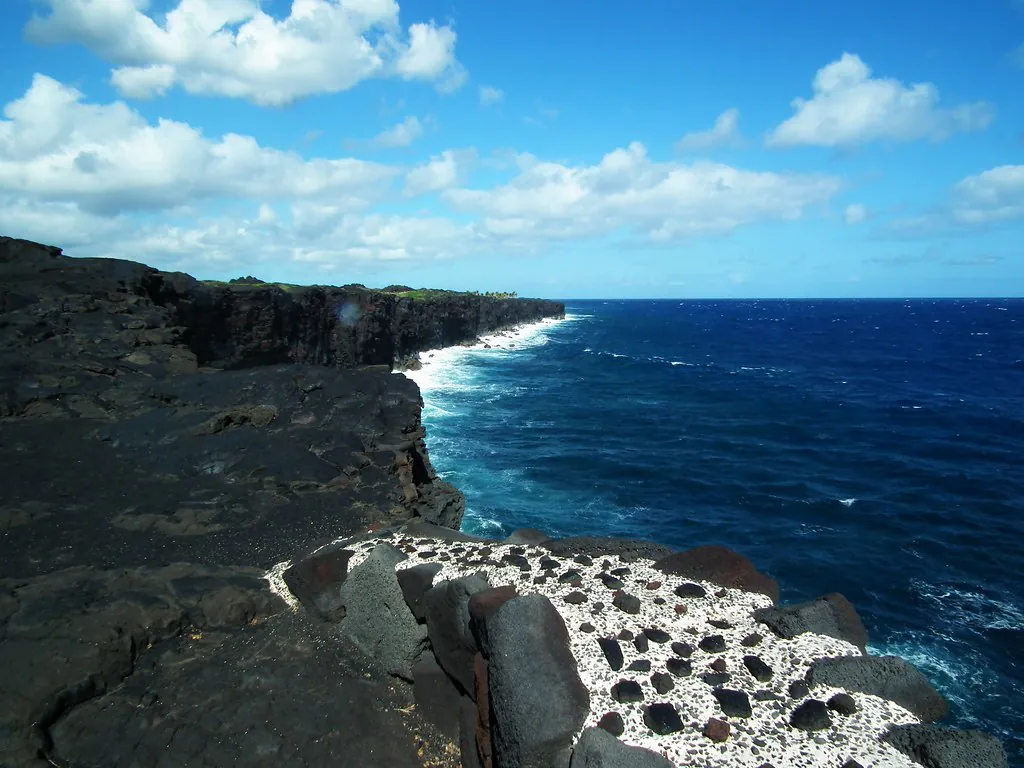
Big Island Cultural Landmarks and Coastal Vistas
Along the South Kona coast, Pu’uhonua o Hōnaunau National Historical Park preserves a sacred place of refuge. Ancient Hawaiians who broke *kapu* (sacred law) could escape death by swimming across Hōnaunau Bay to reach this sanctuary. Hand-carved wooden *ki’i* statues guard the royal grounds against the backdrop of dark lava fields and turquoise water. Sitting near Keone’ele Cove, you can frequently watch sea turtles resting along the shore while humpback blows rise in the distance.
At the northern tip of the Big Island, Pololū Valley Lookout offers a striking view into deep cliffside valleys that cut down into a black sand beach. The steep trail down the cliff face leads to an isolated coastline where dramatic shore breaks meet open ocean currents, providing an incredible land-based perspective on migrating humpback pods passing North Kohala.
Kauai and Neighbor Island Perspectives
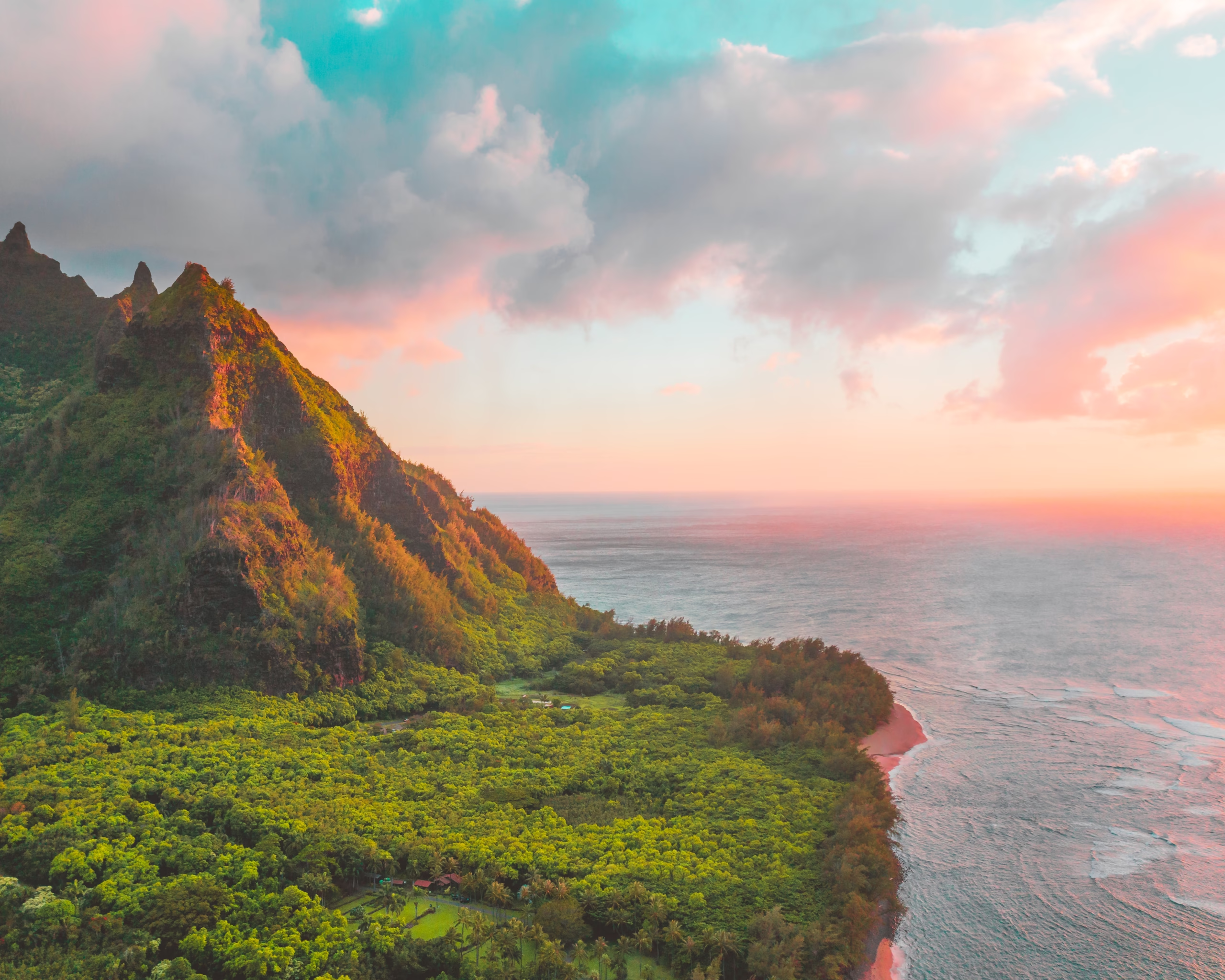
Kauai presents a raw, untamed setting for whale observation. Ha’ena State Park on the North Shore marks the trailhead for the famous Kalalau Trail along the Na Pali Coast. The towering sea cliffs and sea caves offer a dramatic backdrop for watching whales, though winter ocean swells often restrict boat departures from the north. Most winter tours operate out of Ele’ele or Port Allen along the southern coast where waters remain navigable.
On the eastern side of Kauai, Wailua River State Park contains Hawaii’s only navigable river. Kayaking up to Secret Falls or cruising past lush riverbanks provides a freshwater contrast to ocean excursions. For travelers deciding between islands, Kauai appeals to those who prioritize quiet landscapes over high-density commercial boat options.
Regional Whale Watching Comparison
Comparing ocean conditions, sighting probability, and vessel styles helps clarify which island matches your travel preferences. Maui remains the best place to whale watch in hawaii for overall sighting density, while Oahu and the Big Island stand out for specific travel convenience and calm water conditions.
| Island Destination | Viewing Success Rate | Average Sea Conditions | Primary Departure Harbors | Dominant Tour Style |
|---|---|---|---|---|
| Maui | 99% (Jan–Mar) | Calm to moderate chop in channel | Ma’alaea, Lahaina, Kihei | Catamarans, Zodiac Rafts |
| Oahu | 90–95% (Jan–Mar) | Moderate swell off headlands | Ala Wai Harbor, Kewalo Basin | Large Catamarans, Monohulls |
| Big Island (Kona) | 90–95% (Jan–Mar) | Glassy and ultra-calm | Honokōhau Harbor, Kailua Bay | Small Zodiacs, Power Boats |
| Kauai | 85–90% (Jan–Mar) | Rougher open-ocean swell | Port Allen, Ele’ele Harbor | Sailing Catamarans, Zodiacs |
Shore-Based Spotting Guide
You do not need to board a vessel to enjoy watching *koholā*. Staying on solid ground allows you to scan the horizon at your own pace with a quality pair of binoculars. The key is finding elevated coastal headlands that overlook deep nearshore waters.
- Maui – McGregor Point Lookout: Perched high on the cliffs between Ma’alaea and Lahaina, this point features a lighthouse and an elevated vantage point over the Auau Channel.
- Oahu – Makapu’u Point Lighthouse Trail: A paved coastal walkway on Oahu’s eastern tip leading to a lookout platform directly above primary migratory pathways.
- Big Island – Pu’ukoholā Heiau National Historic Site: Located near Kawaihae, the stone temple built by Kamehameha I offers panoramic views across waters where whales frequently breach close to shore.
- Kauai – Kilauea Point National Wildlife Refuge: Historic lighthouse bluffs provide sweeping views of pelagic waters combined with sea bird sanctuary observations.
Local Tip: Look for a white puff of mist on the horizon line before adjusting your focus. That tall column of spray is a whale exhaling air at over two hundred miles per hour, brah, you just gotta sit quietly and watch.
Ethical Conservation Practices and Vessel Footprint
Protecting the humpback population requires strict adherence to federal environmental regulations. Under sanctuary guidelines, boats, kayaks, and paddleboarders must maintain a minimum distance of one hundred yards from humpback whales in Hawaiian waters. Drones must observe strict height limits to avoid disturbing marine mammals with rotor noise.
When selecting a tour operator, look for eco-certified captains who practice responsible boating. Experienced captains shut down engines when whales approach, allowing inquisitive mothers and calves to initiate contact on their own terms. Respecting these ocean boundaries ensures that future generations of *koholā* will continue returning to Hawaiian waters every winter. Before heading out on the water, review our practical guide on what to wear and pack for whale watching excursions.
Getting Around and Planning Your Regional Itinerary
Navigating between Hawaiian islands requires short regional flights operated by local airlines. Once on your chosen island, renting a vehicle is essential for reaching remote trailheads, shore lookouts, and harbor departures efficiently. While public transit exists in urban Honolulu, coastal state parks and harbor slips across Maui and the Big Island require private transportation.
Combining whale watching with inland adventures allows you to experience the full ecological diversity of Hawaii. Whether you prefer kayaking navigable rivers, exploring ancient stone ruins, or watching breaches against a sunset sky, every island offers a distinct perspective on the Pacific. To complement your marine itinerary with terrestrial highlights like volcanic hikes or cultural luaus, explore our companion resource on other things to do in Hawaii.
Ready to experience these majestic marine mammals in person? Browse our vetted list of top-rated eco-tours and catamaran excursions on our dedicated guided tours booking page to reserve your spot on the water today.